

Thinking about adding a new tool to your dental hygiene routine? You may have heard about water flossers and wondered if they live up to the hype. Many people find traditional flossing to be a chore, and some struggle with the technique. Water flossers are a convenient and effective oral hygiene tool.
These devices are particularly beneficial for people with harder areas to clean, such as braces, dental implants, deep gum pockets, or bridges. The pulsating water stream can reach areas that string floss might miss, flushing out plaque and food debris without the hassle.
As technology continues to enhance our daily routines, oral care is no exception. Here’s what you should know about water flossers, which are at the forefront of this evolution.
What Is a Water Flosser and How Does It Work?
A water flosser is a handheld oral care device that directs a stream of pulsating water into the mouth. It consists of a motorized pump, a water reservoir, and a specialized tip. When you turn it on, the pump draws water from the reservoir and pushes it through the tip in a steady, pressurized stream. This action creates a gentle yet powerful force that flushes away plaque, bacteria, and food particles from between your teeth and below the gumline. Think of it as a power wash for your mouth, reaching tiny crevices that are difficult to clean with a toothbrush or string floss alone.
Water Flossers May Improve Oral Health
Both water flossing and traditional string flossing are effective methods for removing plaque when performed correctly. However, studies have shown that water flossers can be more effective at reducing gingivitis and bleeding gums than string floss. Their ability to flush out bacteria from deep within periodontal pockets gives them an edge, especially for those with sensitive gums or early signs of gum disease. The convenience and comfort of a water flosser lead many to floss more frequently, which is a key factor in maintaining excellent oral health.
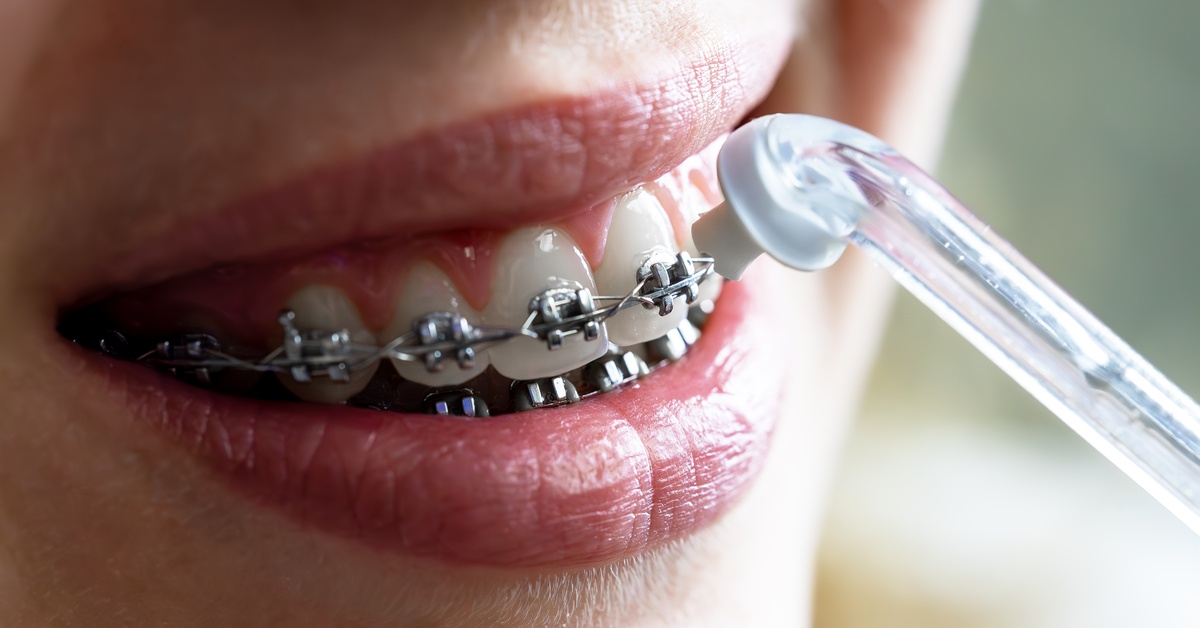
They Can Make Flossing Easier
While anyone can use a water flosser, certain groups find them especially helpful. If you have braces, you know how challenging it can be to clean around brackets and wires. A water flosser can easily navigate these obstacles. They are also a fantastic option for people with the following:
- Dental implants, bridges, or crowns
- Sensitive gums that bleed easily with string floss
- Limited manual dexterity, which can make string flossing difficult
- A desire for a deeper, more thorough clean
Additionally, a water flosser can be a game-changer for those with clear aligners. It helps you keep your teeth and aligners clean so you can maintain your oral hygiene, and your treatment stays on track. If you’re interested in clear aligners in Albany, reach out to Pinnacle Dental Associates today!
How To Choose the Right Water Flosser
Choosing a water flosser can feel overwhelming as the market for them grows. They come in various types, including countertop models, cordless versions, and shower-integrated units.
Countertop models typically offer larger water reservoirs and a wider range of pressure settings. Cordless, battery-operated flossers provide portability and convenience, making them great for travel or small bathrooms. Shower flossers attach directly to your showerhead, eliminating the need for electricity or counter space.
Consider your lifestyle, bathroom space, and oral health needs when making your choice. Look for models with the American Dental Association (ADA) Seal of Acceptance to ensure you select a product that has been tested for safety and effectiveness.
Proper Technique for Using a Water Flosser
Using the correct technique is essential to get the most out of your water flosser. Start by filling the reservoir with lukewarm water. Select a low-pressure setting to begin, especially if you have sensitive gums. Lean over the sink to avoid splashing, and place the flosser tip in your mouth. Close your lips enough to prevent water from spraying but allow it to flow out into the sink.
Aim the water stream at your gumline at a 90-degree angle. Glide the tip along the gumline, pausing briefly between each tooth to clean the front and back surfaces thoroughly. It should take about one minute to clean your entire mouth.
A Water Flosser Cannot Replace Brushing and Flossing
A water flosser is a supplement to—not a replacement for—your daily brushing and flossing routine. Brushing is fundamental for removing plaque from the outer surfaces of your teeth. Flossing cleans the teeth where they contact each other. A water flosser is designed to clean between teeth and below the gumline, areas your toothbrush cannot easily reach.
The ideal oral hygiene routine includes brushing twice a day for two minutes and cleaning between your teeth daily with a string floss. Adding a water flosser provides additional benefits to gum health, flushing food and bacteria that would otherwise be missed with brushing and flossing. Combining these habits provides comprehensive protection against cavities and gum disease.
Maintaining and Cleaning Your Water Flosser
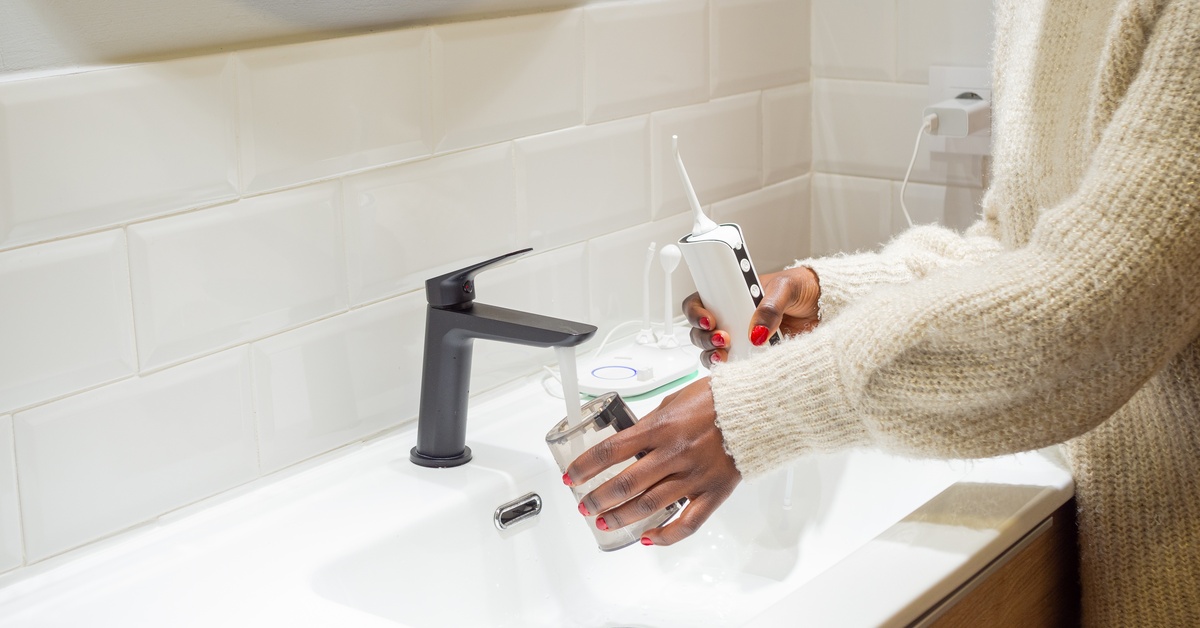
Regular maintenance is important to keep your water flosser working effectively and hygienically. Empty any remaining water from the reservoir after each use to prevent bacterial growth, and wash the reservoir with warm, soapy water at least once per week.
You’ll also want to clean the internal components and remove mineral deposits. Run a cycle with a solution of water and white vinegar every one to three months, depending on the hardness of your water. Always follow the manufacturer’s cleaning instructions for your model.
Potential Downsides To Consider
While water flossers offer many advantages, you should know about a couple of potential drawbacks. Water flossers do not replace traditional floss or flossers. Additionally, the initial cost is much higher than a package of string floss, though many view it as a worthwhile investment in their long-term oral health. Some users might find them messy at first, but this usually improves with practice. Countertop models can also take up space, which might be a concern in smaller bathrooms. However, the benefits of improved gum health and a cleaner-feeling mouth outweigh these minor drawbacks for most people.
The Final Verdict on Water Flossers
Water flossers are fantastic tools for elevating your oral hygiene regimen. They provide a powerful, comfortable, and effective way to clean between your teeth and promote healthy gums. Whether you have braces, implants, or simply want a more thorough clean, incorporating a water flosser can improve the health and appearance of your smile.
Adding a new device to your dental care routine is a great way to prioritize your oral health. If you need personalized advice on maintaining a healthy smile, our team at Pinnacle Dental Associates is here to offer guidance. We are passionate about empowering our patients with the knowledge they need for a lifetime of excellent dental health.
Ready to discuss your oral hygiene routine or explore your dental care options? Schedule an appointment with us today. We look forward to partnering with you on your journey to a brighter, healthier smile!