
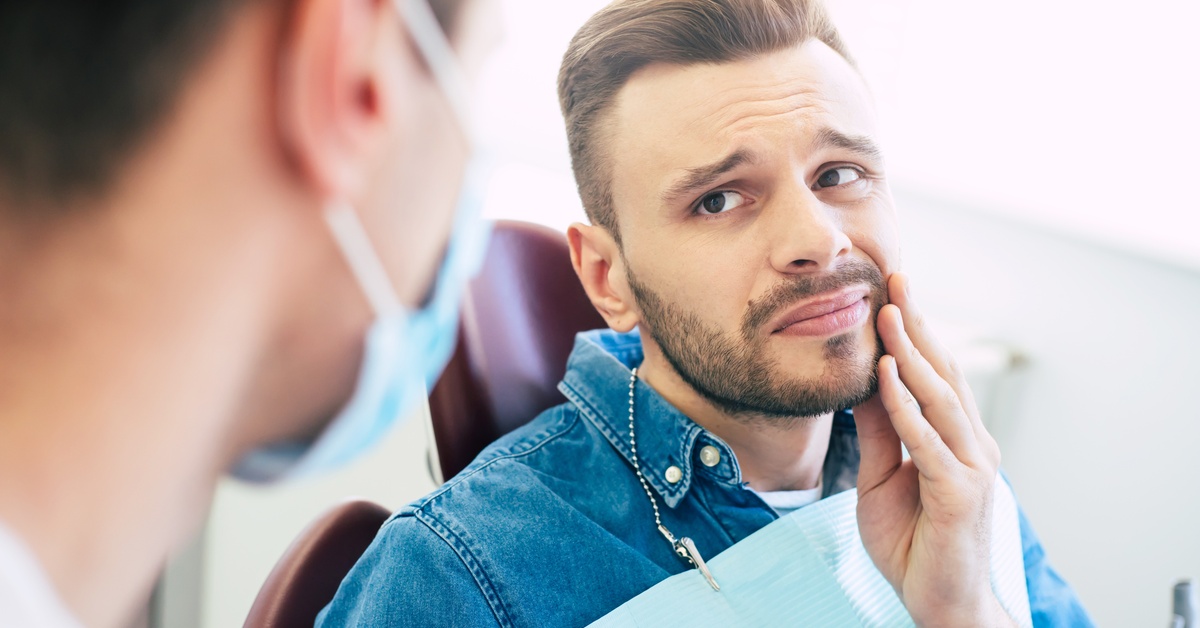
Stress affects more than your mood or energy levels. It can quietly influence your oral health in ways many people do not expect, leading to discomfort, damage, and long-term concerns if left unaddressed. Understanding the connection between your mental state and your dental health helps you take proactive steps to protect your smile. This guide covers the ways stress can impact your teeth and how to protect them, giving you practical insight from a dental perspective.
How Stress Contributes to Teeth Grinding
Many patients experience teeth grinding without realizing it. Stress often triggers this habit, especially during sleep, when the body processes tension from the day. Grinding places repeated pressure on the teeth, which can wear down enamel and create sensitivity over time.
Many people who grind their teeth wake up with sore jaws or headaches but often fail to recognize that stress is the underlying cause. Over time, constant friction can lead to cracks or uneven tooth surfaces. Without intervention, the damage can become more complex and require restorative care.
Jaw Tension and TMJ Discomfort
Stress does not always show up as grinding. It often causes people to clench their jaw during the day, sometimes without noticing. This constant tension strains the temporomandibular joint, which connects the jaw to the skull.
When this joint becomes overworked, it can lead to discomfort, limited movement, or a clicking sensation when opening and closing the mouth. Patients may also feel tightness in surrounding muscles, making everyday actions like chewing feel uncomfortable. Managing stress plays a key role in reducing this pressure and maintaining proper jaw function.
Increased Risk of Gum Disease
Stress affects the body’s immune response, making it harder to fight off infection. This includes inflammation in the gums, which can develop into gingivitis or more advanced periodontal disease.
When stress weakens your immune system, your gums may become more inflamed or prone to bleeding. If oral hygiene slips during stressful periods, the risk increases further. This combination creates an environment where bacteria can thrive, leading to progressive damage if not addressed early.
Dry Mouth and Its Effects
Stress can also interfere with saliva production. A dry mouth may seem like a minor inconvenience, but saliva plays a vital role in protecting teeth. It helps wash away food particles and neutralize acids that can erode enamel.
When saliva flow decreases, the mouth becomes more vulnerable to cavities and irritation. Patients may notice a sticky feeling or persistent dryness, especially during high-stress periods. Addressing stress while maintaining hydration can help restore balance and support oral health.

Stress-Related Changes in Oral Hygiene Habits
Daily routines often shift during stressful times. People may skip brushing at night, delay dental visits, or reach for sugary snacks as a form of comfort. These small changes can quickly add up and affect the condition of your teeth and gums.
Stress can also reduce motivation, making it harder to stay consistent with oral care. Even short lapses in routine allow plaque to build up, increasing the risk of decay and gum irritation. Staying mindful of these habits helps prevent long-term issues.
How Stress Can Lead to Tooth Damage
Beyond grinding and clenching, stress can indirectly lead to tooth damage through lifestyle choices. Increased caffeine intake via coffee and tea, for example, may contribute to enamel staining. Snacking more frequently can expose teeth to acids throughout the day.
Some patients also develop habits like chewing on pens or biting nails when stressed. These behaviors place extra strain on teeth and can cause chips or wear. Identifying these patterns allows for early correction before significant damage occurs.
The Role of Preventive Dental Care
Routine dental visits become even more important during stressful periods. Regular checkups allow dental professionals to identify early signs of stress-related damage and recommend appropriate solutions.
Preventive care helps catch issues like enamel wear, gum inflammation, or jaw tension before they progress. This proactive approach reduces the need for more extensive treatment and supports long-term oral health.
Managing Stress To Protect Your Smile
Reducing stress plays a central role in protecting your teeth. While you cannot always avoid stress, managing it effectively can limit its impact on your oral health.
Simple practices like maintaining a consistent sleep schedule or engaging in physical activity can help regulate stress levels. Relaxation techniques, including deep breathing or mindfulness, also support overall well-being. When stress decreases, habits like grinding and clenching often improve as well.
Dental Solutions for Stress-Related Issues
In some cases, stress-related dental problems require targeted solutions. Custom night guards help protect teeth from grinding during sleep by creating a barrier that reduces pressure.
For patients experiencing jaw discomfort, dentists may recommend exercises or adjustments to relieve strain. Addressing dry mouth may involve hydration strategies or products designed to support saliva production. Each solution focuses on reducing damage while supporting natural function.

Staying Consistent With Daily Oral Care
Maintaining a steady oral hygiene routine helps counteract the effects of stress. Brushing twice a day and flossing regularly keeps plaque under control, even when other factors create additional risk.
Consistency matters more than perfection. Even during busy or stressful times, keeping up with basic care helps protect your teeth from preventable damage. Pairing these habits with regular dental visits creates a strong foundation for long-term health.
Recognizing Early Warning Signs
Awareness plays a key role in prevention. Paying attention to early symptoms allows you to act before problems worsen.
Common signs include tooth sensitivity, jaw soreness, or bleeding gums. Changes in how your teeth feel when biting or chewing may also indicate underlying stress-related issues. Addressing these signs early can prevent more complex concerns.
Long-Term Impact of Chronic Stress on Oral Health
Chronic stress can have lasting effects if left unmanaged. Over time, repeated grinding, gum inflammation, and enamel wear can lead to more advanced dental problems.
These issues may require restorative treatments such as crowns or other procedures to rebuild and protect damaged teeth. Taking steps early helps reduce the likelihood of extensive treatment and supports a healthier smile over time.
Protecting Your Smile With Professional Support
Understanding the ways stress can impact your teeth and how to protect them gives you the tools to take control of your oral health. While stress can influence many aspects of your body, consistent care and early intervention make a meaningful difference.
Pinnacle Dental Associates provides comprehensive care designed to address both routine and stress-related dental concerns. As a trusted dentist in Albany, Oregon, we use advanced technology to deliver efficient treatment in one place, helping patients maintain healthy, confident smiles. Give us a call to schedule an appointment today.