
Dental implants provide a durable and dependable option for replacing missing teeth, but their long-term success relies on having strong, healthy jawbone support. Understanding the things to know about bone health before getting implants can make the difference between a smooth, predictable outcome and complications that delay or limit treatment. Dental implants do more than replace missing teeth. They create a stable foundation that closely mimics natural tooth structure. That foundation depends on the health and strength of your jawbone.
Why Bone Health Matters for Dental Implants
Dental implants function by integrating directly with your jawbone in a process called osseointegration. This fusion allows the implant to act like a natural tooth root, supporting a crown, bridge, or denture securely.
When bone density and volume are sufficient, implants can anchor firmly and withstand everyday chewing forces. However, if the jawbone lacks sufficient thickness, strength, or integrity, it may not provide the support needed to keep the implant securely in place. This can lead to implant failure, discomfort, or the need for additional procedures.
Healthy bone is not just about strength—it is also about blood supply. Adequate circulation allows your body to heal effectively after implant placement and helps maintain long-term stability.
How Bone Loss Happens in the Jaw
Many patients are surprised to learn how quickly bone loss can occur after losing a tooth. The jawbone relies on stimulation from tooth roots to maintain its structure. When you lose a tooth, the jaw no longer receives the stimulation it needs. As a result, the body gradually breaks down and absorbs the bone in that area over time.
This process can lead to:
- Reduced bone height and width
- Changes in facial structure
- Increased difficulty placing implants
Gum disease, trauma, and long-term denture use can also cause bone loss. Each of these factors can weaken the jawbone and complicate implant planning.
Signs Your Bone May Need Evaluation
You may not always notice bone loss, but certain signs can indicate the need to evaluate your bone health before implant treatment. Common indicators include a sunken appearance around missing teeth, shifting of nearby teeth, or difficulty wearing dentures comfortably. Chronic gum disease or a history of tooth infections can also signal compromised bone.
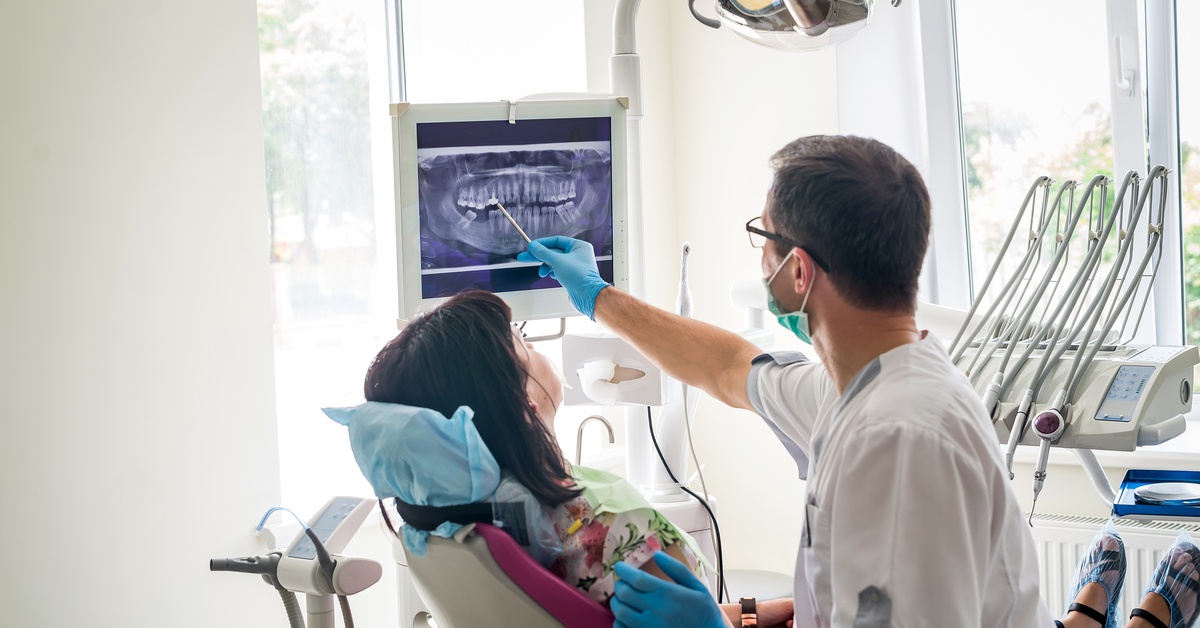
At Pinnacle Dental Associates, we use advanced imaging technology to assess bone quality and structure. This evaluation helps determine if immediate implant placement is possible or if we need to complete preparatory treatment first.

The Role of Bone Density in Implant Success
Bone density refers to how compact and strong your bone tissue is. Not all bone is the same throughout the mouth. Some areas naturally have denser bone, while others are softer and more porous.
Higher-density bone typically provides better initial stability for implants. Lower-density bone can still support implants, but it may require adjustments in technique, healing time, or implant design.
This is why a personalized approach is essential. Implant dentistry is not one-size-fits-all. Every patient’s bone structure is unique, and treatment planning must reflect that.
Can You Still Get Implants With Bone Loss?
One of the most common concerns patients have is whether bone loss disqualifies them from getting implants. The answer is often no. Modern dentistry offers several solutions that make implants possible even when bone has deteriorated.
Bone grafting is one of the most effective methods for rebuilding lost bone. This procedure involves placing grafting material in the deficient area to encourage new bone growth.
In some cases, providers use alternative implant techniques or adjust placement angles to take advantage of existing bone. The key is a thorough evaluation and a treatment plan tailored to your specific needs.
Some patients with a low sinus may consider a sinus lift, a bone graft that increases the bone thickness of the maxilla, if the sinus is too close to the proposed implant location. This is a procedure that would be completed with a specialist instead of your general dentist.
Understanding Bone Grafting
Bone grafting is a routine and highly predictable procedure in implant dentistry. It restores the volume and strength of your jawbone so it can support an implant.
The graft material acts as a scaffold, allowing your body to generate new bone tissue over time. Healing periods can vary depending on the extent of the graft, but the result is a stronger, more stable foundation.
Patients often worry about discomfort, but most find the process manageable and well worth the long-term benefits. A successful graft can significantly expand your treatment options.
Timing Matters More Than You Think
One of the most important factors in preserving bone health is timing. The longer a tooth is missing, the more bone loss tends to occur.
In some cases, placing an implant at the same appointment as a tooth extraction can help preserve bone and reduce the need for grafting. This approach, known as immediate implant placement, is not always possible, but it is ideal when conditions allow. Another common option is completing a bone graft in the empty tooth socket on the same day as the extraction. This technique helps minimize bone loss because the graft fills in the hole that is left behind after a tooth is removed. “Socket preservation” usually holds the bone volume steady for at least a year after a tooth is removed. This is beneficial in giving patients time and flexibility when deciding to have the implant placed after healing.
Delaying treatment does not eliminate your ability to get implants. However, it often requires additional steps to rebuild lost bone.

Health and Lifestyle Factors That Affect Bone Health
Your overall health plays a significant role in the condition of your jawbone. Certain lifestyle factors can either support or weaken bone quality.
Smoking is one of the most significant risk factors for poor healing and reduced implant success. It restricts blood flow and interferes with the body’s ability to regenerate tissue.
Nutrition also matters. A balanced diet that supports bone health contributes to better healing and long-term stability. Conditions such as diabetes or osteoporosis can influence bone quality as well, but they do not automatically prevent implant treatment when properly managed. However, hyperglycemia associated with poorly managed diabetes and medications for osteoporosis are associated with higher rates of implant failure.
Certain medications also increase risk, including anti-resorptive medications (for osteoporosis and certain bone cancers), anti-depressants, and proton pump inhibitors. Having a history of radiation treatment to the head and neck area may also decrease the lifespan of implants.
Patients with a history of gum disease are another group who experience lower rates of implant success due to their history of bone loss around their teeth. Those with rheumatoid arthritis are in the same boat too. These are both inflammatory diseases that impact implant integration and stability.
Long-Term Bone Health After Implants
Dental implants help maintain bone by restoring the stimulation that natural roots provide. This stimulation keeps your jawbone active and strong.
However, good oral hygiene and regular dental visits are still essential. Gum health directly impacts the bone surrounding your implants. Neglecting care can lead to complications that affect stability over time. With proper maintenance, dental implants can support healthy bone and function for many years.
What Patients Often Overlook
Many patients focus on the new tooth without fully considering the foundation beneath it. Bone health is often the hidden factor that determines success.
Understanding the condition of your jawbone early in the process allows for better planning and fewer surprises. It also helps set realistic expectations for treatment timelines and outcomes. The more informed you are, the more confident you can feel moving forward with implant care.
Dental Implants at Pinnacle Dental Associates
Understanding the things to know about bone health before getting implants helps you make informed decisions and sets the stage for long-term success. At Pinnacle Dental Associates, we take a comprehensive and patient-focused approach to implant dentistry. Our team uses advanced technology to evaluate your bone structure, plan treatment precisely, and perform procedures in one convenient location.
We focus on restoring both function and confidence by building a strong foundation for every implant. Whether you need bone grafting or are ready for immediate placement, we guide you through every step with clarity and care. If you’re considering dental implants in Albany, OR, our office is here to help you achieve a stable, natural-looking result that supports your overall oral health.