
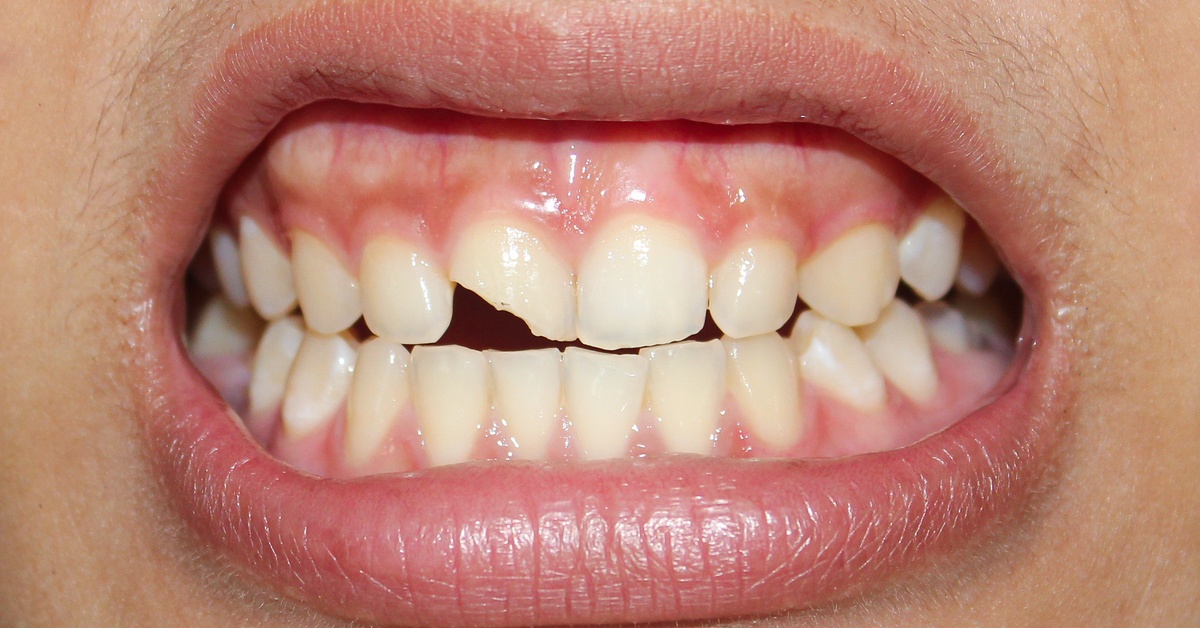
You bite down on a piece of popcorn at the movies, or perhaps you take a tumble during a weekend soccer game at the park. Suddenly, you feel a jagged edge in your mouth. Panic sets in. You rush to a mirror and confirm your suspicion: you have chipped a tooth. While this experience is alarming, it happens more often than you might think. Enamel is the hardest substance in the human body, but it has limits. Ice, hard candy, falls, and contact sports all pose risks to your smile.
Knowing how to react in the minutes and hours following an injury can protect your tooth. Let’s go over the dos and don’ts of caring for a chipped tooth to help you navigate this stressful scenario. You can maintain your oral health and ensure a smoother repair process by taking the right steps immediately.
Assess the Situation
Focus on triage before you worry about cosmetic repairs. Keep calm. Most chipped teeth can be repaired easily. First, check your mouth for any loose pieces of the tooth. Save the fragment if you find it. Rinse it gently with water to remove debris, but do not scrub it. Place the piece in a small container of milk or your own saliva. This keeps the fragment moist and may allow your dentist to reattach it, depending on the severity of the break.
Next, rinse your mouth with warm water. This cleans the area and reduces the risk of infection. If you experienced trauma to the face, apply a cold compress to the cheek outside the injured area. This helps control swelling and numbs the pain.
The Dos: Steps for Proper Care
Taking proactive measures protects the soft tissues of your mouth and prepares you for your dental visit. Follow these guidelines to manage the situation until you reach the dental chair.
Do Call Your Dentist Right Away
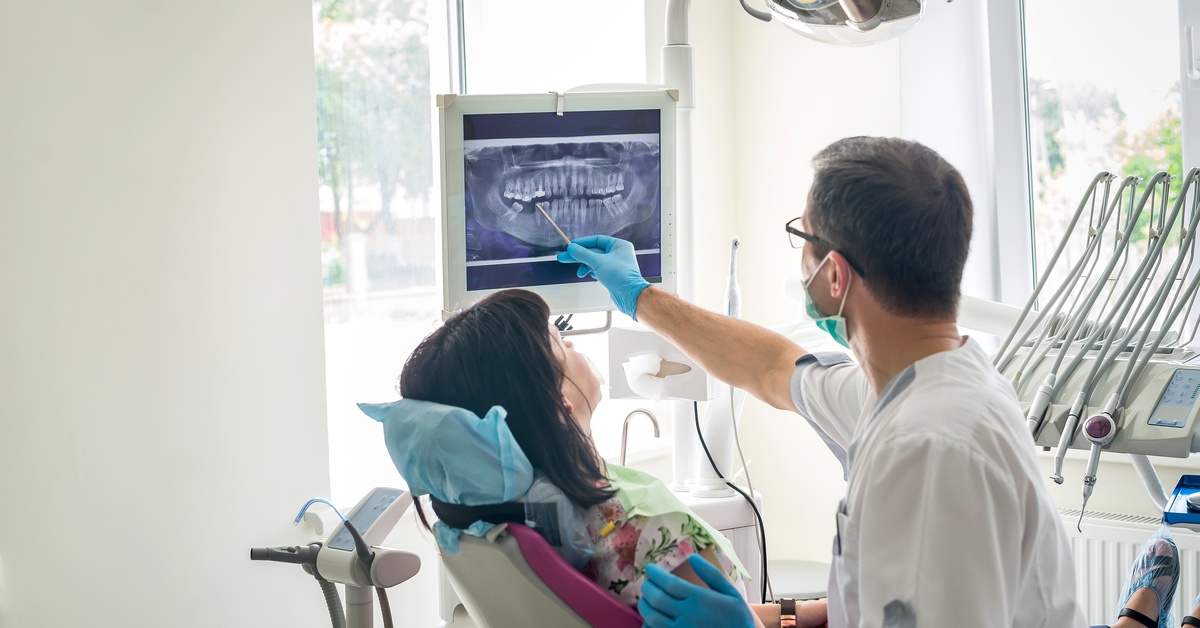
Time matters. Contact your dentist immediately even if the chip looks small or causes no pain. The inner layers of the tooth, known as dentin and pulp, may suffer exposure. This leaves the tooth vulnerable to bacteria and infection. A professional needs to evaluate the extent of the damage.
Do Cover Sharp Edges
A jagged tooth acts like a razor against your tongue and cheeks. You might inadvertently cut the inside of your mouth, adding soft tissue injury to your dental woes. Cover the sharp edge with a piece of dental wax to prevent this. Most drugstores carry dental wax in the oral care aisle. This temporary barrier protects your mouth while you wait for your appointment.
Do Stick to Soft Foods
You must eat with caution when you have a compromised tooth. Biting down on the injured area can turn a minor chip into a major fracture. Adjust your diet until your dentist repairs the damage by choosing soft, easy-to-chew foods, such as the following:
- Yogurt
- Smoothies (avoid using a straw)
- Mashed potatoes
- Scrambled eggs
- Oatmeal
Chew on the opposite side of your mouth to minimize pressure on the injured tooth. Avoid extreme temperatures as well. A chipped tooth often develops sensitivity to hot and cold substances, so aim for lukewarm foods and beverages.
Do Manage Discomfort
Take an over-the-counter pain reliever, such as ibuprofen or acetaminophen, if you feel pain. Follow the dosage instructions on the bottle carefully.
The Don’ts: Mistakes To Avoid
Misinformation abounds regarding dental emergencies. Avoiding these common pitfalls will protect your health and prevent exacerbating the injury.
Don’t Ignore the Issue
Pain does not always equal damage, and lack of pain does not mean you are in the clear. You might think a small chip requires no attention because it doesn’t hurt. This assumption will cause trouble. Deep cracks can exist without immediate sensitivity. Left untreated, these cracks widen, allowing bacteria to penetrate the pulp, the living center of the tooth. This results in infection, abscesses, and potentially the need for a root canal or extraction. Treat every chip as a condition that requires professional evaluation.
Don’t Treat It Yourself
Never attempt to file down a rough edge with a nail file or sandpaper. You risk removing too much enamel and damaging the healthy structure of the tooth. Even worse, some people attempt to glue the piece back on with superglue. Never put superglue in your mouth. These adhesives contain toxic chemicals not meant for internal use. They damage the tooth and irritate the gums, making professional repair far more difficult and expensive.
Professional Treatment Options
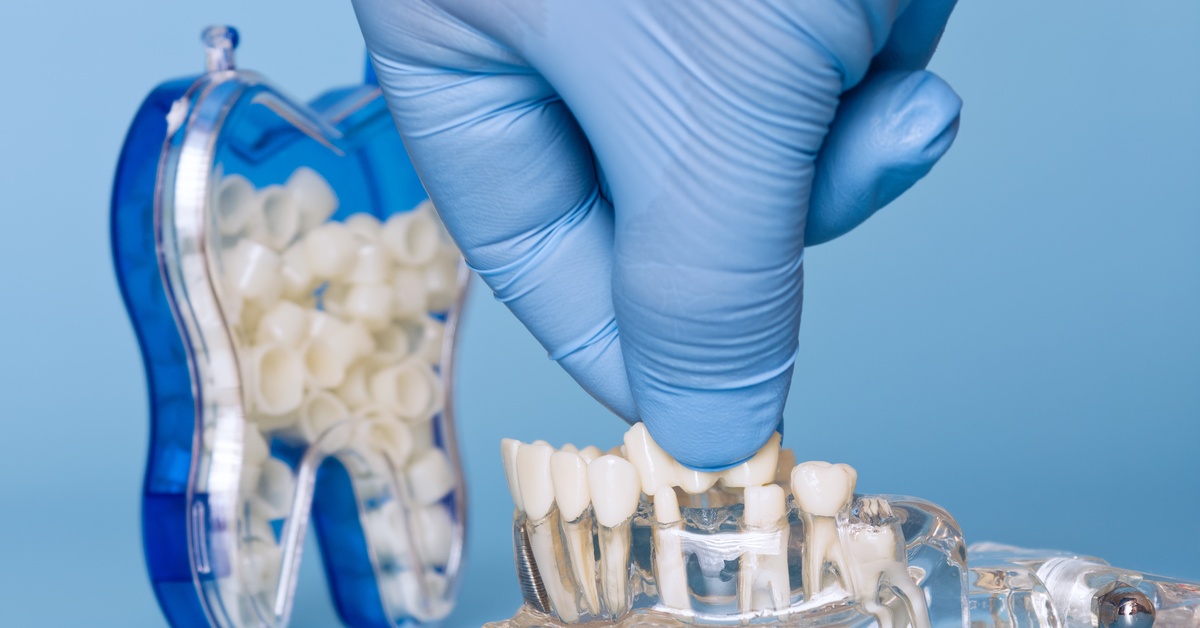
Modern dentistry offers several solutions for restoring your tooth after a chip, and the right treatment will depend on the size and location of the damage. Dental bonding is a quick and effective procedure that involves applying a tooth-colored resin to the affected area and blending it with your natural tooth. This works best for minor chips.
A chip in a front tooth can cause the most worry over appearance. That’s where a porcelain veneer comes in. This is a shell that goes over the tooth’s surface for a flawless, long-lasting cosmetic result. Larger chips may require a dental crown, which is a protective cap that may be necessary to restore the tooth’s shape, strength, and appearance.
In severe cases, a chip may expose the tooth’s inner pulp. If this happens, root canal therapy will prevent infection and save the tooth, which is then often covered with a crown. If a crack extends into the root, and the tooth cannot be saved, you may need a dental implant or bridge. For kids who lose a front tooth, they may need a flipper, which is a special retainer with a false tooth, to hold the space until they stop growing and an implant can be placed. These are excellent solutions for filling the gap left by an extraction, restoring full function and a beautiful, natural look. Pinnacle Dental Associates offers dental bridge services with the expertise to bring your oral health back to its best.
Restoring Your Smile
A chipped tooth disrupts your day, but it does not have to ruin your smile. Follow these dos and don’ts of caring for a chipped tooth to take control of the situation and set the stage for a successful repair. Act quickly, keep the area clean, and avoid DIY fixes to allow your dental team to provide the most effective treatment possible.
We understand that dental emergencies are stressful for the whole family. Whether a chipped tooth is the result of a child’s playground accident or a mishap at a dinner party, professional care restores the function of your bite and the aesthetics of your smile.
If you or a family member has a chipped tooth, contact Pinnacle Dental Associates today. We offer convenient scheduling and compassionate care to get you smiling again. Call us to book your appointment.