
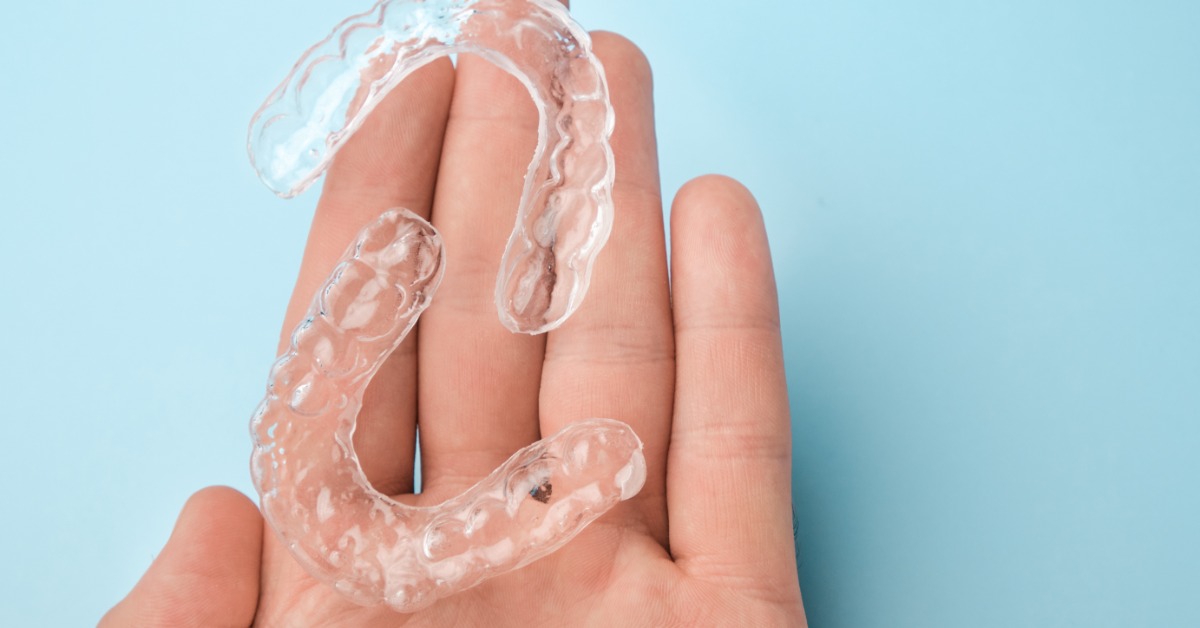
Patients often confuse aligners and retainers when asking about straightening their teeth. Both appliances look similar at first glance, yet they serve different purposes. So, what’s the difference between clear aligners and retainers? Here’s the simplest way to think about it: clear aligners actively move teeth into better positions, while retainers hold teeth in place after that movement occurs. While they may appear similar, their design, timing, and goals differ in important ways.
What Clear Aligners Do
Clear aligners straighten teeth using a series of custom-made, transparent trays. Each tray applies gentle, controlled pressure to shift teeth gradually. You switch to a new set every one to two weeks, allowing steady progress throughout treatment.
Your dentist designs these aligners using digital scans and treatment planning software. This technology maps out each stage of tooth movement before you receive your first tray. Because aligners fit snugly over your teeth, they guide alignment precisely.
Unlike traditional braces, aligners are removable. You take them out to eat, brush, and floss, which makes maintaining oral hygiene much easier during treatment. However, you’ll need to wear them 20 to 22 hours per day for the treatment to work as planned.
What Retainers Do
Retainers preserve the results achieved through orthodontic treatment. After teeth move into their corrected positions, they naturally try to shift back in a process called orthodontic relapse. Retainers prevent that from happening.
Your dentist will typically recommend wearing retainers full-time at first, often for several months. Over time, many patients transition to nighttime wear only. Using them consistently keeps teeth stable while the surrounding bone and tissue adapt to the new alignment. Retainers don’t actively move teeth in most cases. Instead, they protect the investment you made during treatment. Think of them as the final phase of orthodontic care.
How Clear Aligners Create Movement
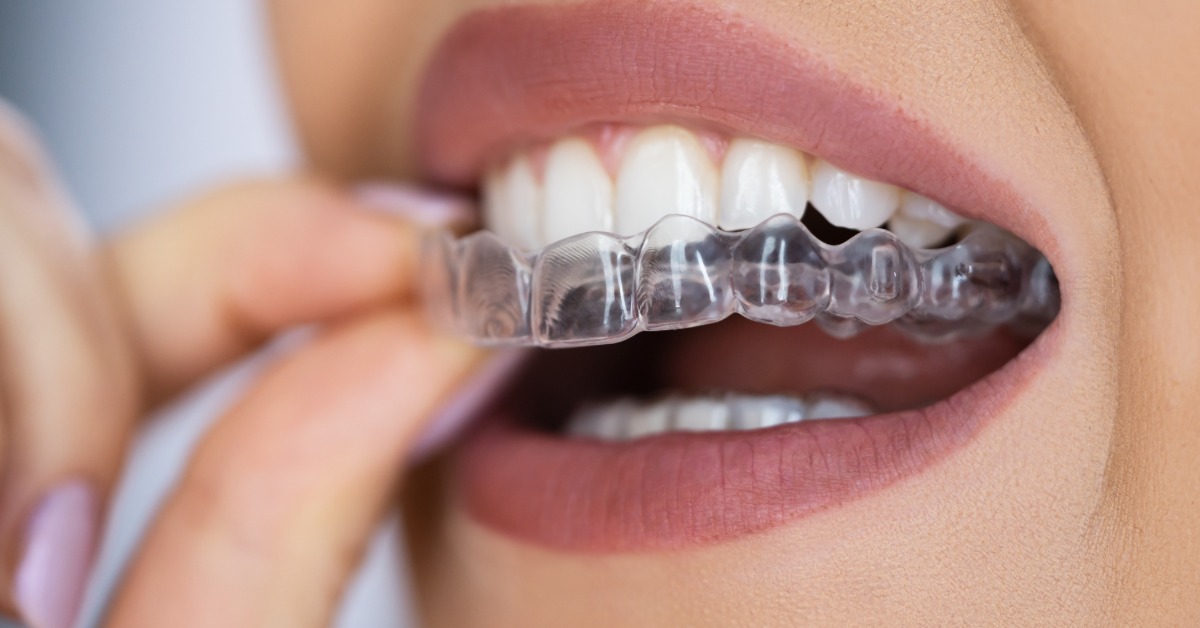
Clear aligners rely on planned force and gradual adjustments. Each tray builds on the last one, moving teeth step by step. This controlled process protects the roots, bone, and surrounding tissues from excessive stress.
An orthodontist who works for the clear aligner company calculates the direction of movement, the amount of pressure needed, the timing of each shift, and the sequence of tray changes. Because treatment follows this structured progression, skipping trays or wearing them inconsistently can delay results or compromise the outcome.
If you’re considering clear aligners, schedule a consultation with your dentist to determine whether your alignment goals match this treatment option. Not every orthodontic issue responds well to aligners, so a professional evaluation is important.
How Retainers Maintain Results
Once teeth shift into place, the surrounding bone requires up to a year or longer to stabilize. Without support, natural forces from chewing, speaking, and daily habits can cause subtle movement. Retainers counteract those forces. They keep teeth positioned correctly while your body adjusts to the new alignment. Even small shifts can change your bite over time, which makes retention essential for long-term success.
Orthodontic relapse occurs most often when patients stop wearing retainers too soon or become inconsistent with nighttime wear. Protecting your results requires commitment, but it’s easier than repeating treatment later. Ultimately, those who undergo orthodontic treatment will need to wear their retainers for the rest of their life to prevent a relapse.
When You Need Clear Aligners
Patients choose clear aligners when they want to improve alignment without metal brackets. Aligners treat mild to moderate crowding, spacing, and certain bite concerns effectively. Many adults prefer aligners because they blend into daily life. The transparent material makes them less noticeable in social and professional settings. Teens also benefit from removable trays that simplify brushing and flossing, though consistency is crucial for success.
Your dentist will evaluate your bite, tooth spacing, and oral health before recommending aligners. Some complex orthodontic issues, such as severe crowding, significant bite problems, or teeth that need rotation, may require alternative treatments, such as traditional braces and/or jaw surgery.
When You Need a Retainer
You need a retainer after completing any orthodontic treatment. Retention maintains your results, whether you used braces or aligners. There’s no way around this step. Your dentist will customize retainers to fit your teeth precisely. Some patients receive clear plastic retainers, called Essix retainers, that are similar in appearance to aligners. Another type of removable retainer, the Hawley retainer, is made with a combination of acrylic and metal wire. Others may receive fixed retainers, a metal wire bonded behind the teeth for added stability, particularly on the lower front teeth, where relapse occurs most frequently. Retention isn’t optional. It completes the orthodontic process and protects the smile you worked hard to achieve.
Appearance and Comfort Differences
Both aligners and retainers use smooth, clear materials in many cases. However, one major difference between clear aligners and retainers is that aligners often feel tighter because they apply active pressure. You may notice mild soreness when switching to a new tray. This discomfort is a sign that the aligners are working.
Retainers typically feel more passive. After the initial adjustment period, most patients experience minimal discomfort. If a retainer feels tight after you’ve skipped wearing it for a few days, that tightness suggests minor tooth movement has already begun.
Because both appliances are removable in many cases, you can continue normal eating habits. Just remember to store them properly and clean them daily to prevent damage and bacterial buildup.
Maintenance and Care
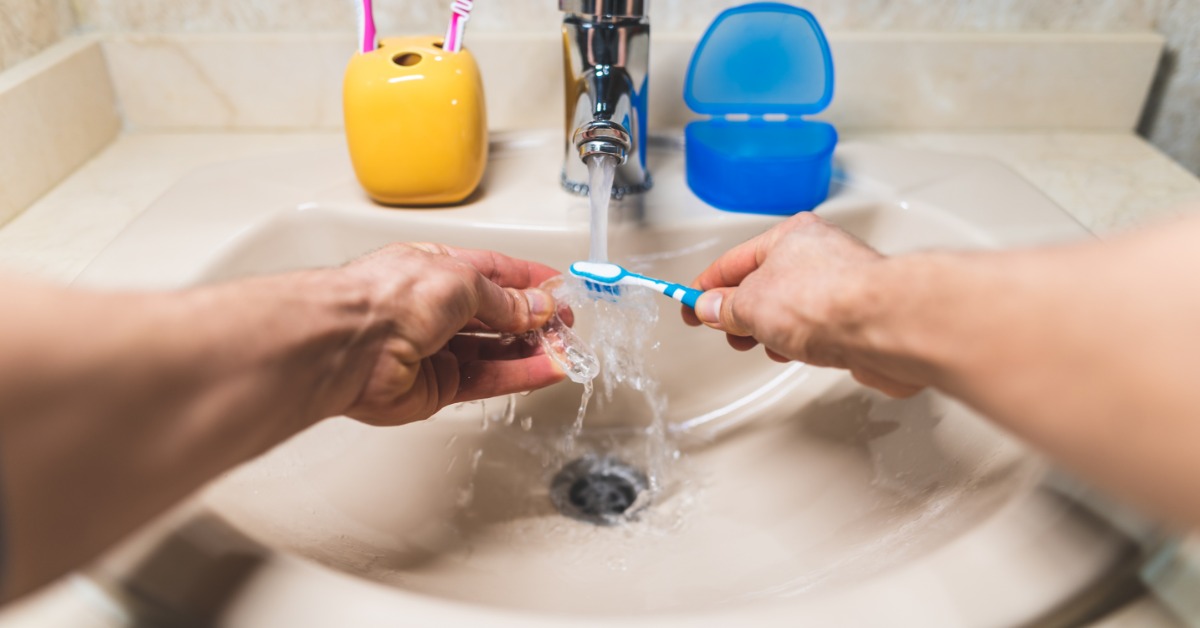
Clear aligners require daily cleaning to prevent staining and odor. Rinse them regularly, and brush them gently with a soft toothbrush and mild soap. Never use hot water, which can warp the plastic. Remember that consistent wear ensures predictable progress. Retainers also need regular cleaning, and bacteria and plaque accumulate quickly if you neglect them. Your dentist will provide care instructions to extend the life of your appliance.
Both appliances must be stored in protective cases when not in use. Avoid exposing them to heat or direct sunlight, clean them daily with appropriate products, and bring them to dental checkups for evaluation. Routine visits allow your dental team to monitor fit and function. Keeping your appliance in good shape supports oral health and alignment stability.
Why Both Are Important
Orthodontic treatment doesn’t end when your teeth look straight. The alignment process includes correction and preservation. Clear aligners create change, while retainers maintain it. Skipping either step will compromise your results. Moving teeth without retention invites relapse, sometimes within just a few months. Meanwhile, wearing a retainer without completing corrective treatment fails to address underlying alignment concerns that affect appearance and function.
Getting the Right Treatment for Your Needs
Every smile has different needs. Some patients require active correction. Others simply need to maintain previous results. A professional evaluation will ensure you take the right approach.
Pinnacle Dental Associates uses advanced technology to create precise, comfortable treatment plans. We focus on efficiency, accuracy, and long-term results, all in one location. That means fewer referrals and more convenience for your family.
If you are looking for clear aligners in Albany or need help maintaining past orthodontic work, we’re here to help. Call our office today, or fill out our online form to schedule your appointment. Let’s work together to protect your smile!