
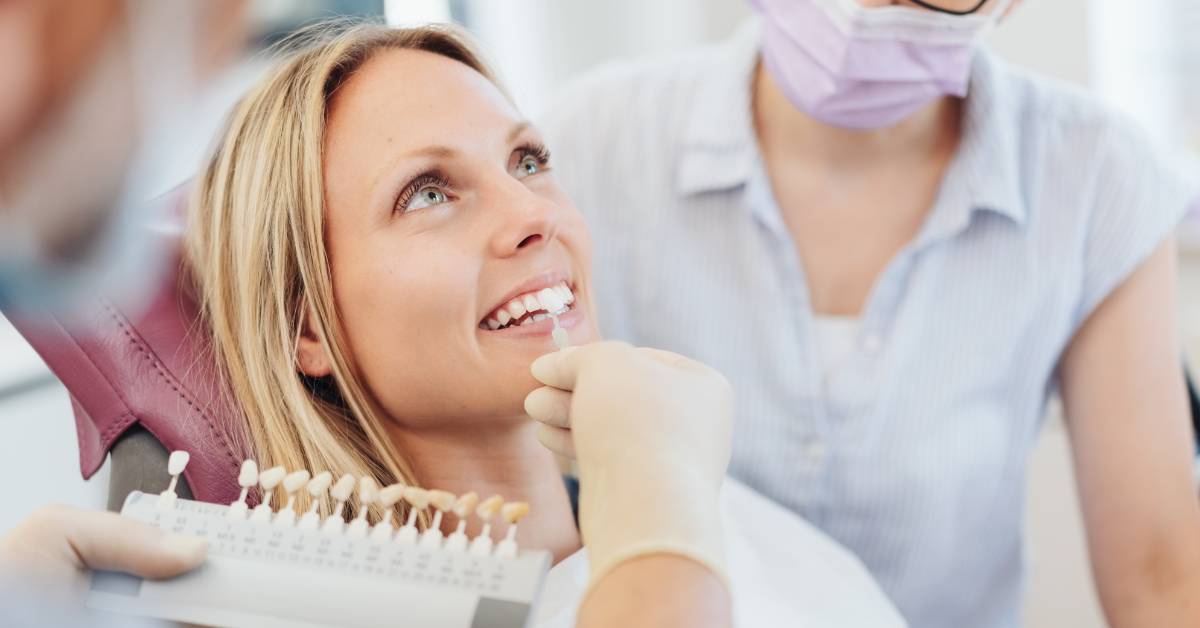
A veneer can loosen while eating, leaving you wondering what happened and how to protect your smile. Knowing what you should do if a veneer falls off helps you respond calmly. A missing veneer does not always mean a serious dental emergency. Prompt attention from your dentist can help determine whether the veneer can return to its place or needs replacement.
Stay Calm and Find the Veneer
First, check whether the veneer came off in one piece. If you find it, handle it carefully because thin porcelain can chip or crack. Place the veneer in a clean container and bring it to your dental appointment. Avoid wrapping it loosely in tissue.
If you cannot locate the veneer, do not panic. Your dentist can evaluate the tooth. If you think you swallowed the veneer, it will often pass through your digestive system, but contact a medical professional for guidance. Seek urgent medical attention if you have trouble breathing or notice bloody stools.
Check Your Tooth Without Touching It Too Much
Look in a mirror to see whether the underlying tooth has a sharp edge. Veneers usually cover the front surface of a tooth, so losing one may expose an area. You might notice sensitivity when cold air or drinks reach the surface.
Do not scrape away remaining bonding material or try to smooth the tooth yourself. Even if the surface feels rough, household tools can damage enamel. If you experience severe pain or a broken tooth, contact your dentist promptly and explain your symptoms.
Call Your Dentist as Soon as Possible
A missing veneer deserves a dental appointment even when the tooth does not hurt. Your dentist needs to inspect the tooth and examine the veneer if you saved it. Sometimes the adhesive loosens over time. In other cases, biting pressure or an underlying dental problem contributes to the separation.
Tell the office when the veneer came off and whether you have discomfort. Mention any recent injury. The team can advise you about appointment timing. Do not assume that an intact veneer will automatically fit again.
Never Reattach a Veneer With Household Glue
You may feel tempted to put the veneer back. However, superglue and other household adhesives do not belong in your mouth. These products can irritate oral tissues and cause damage to your tooth and the veneer. They also cannot provide the careful positioning and bonding strength that a dental restoration requires.
Avoid forcing the veneer onto the tooth. Pressure could fracture the restoration or damage the exposed surface. Leave the veneer in its container until your dentist can assess it. A temporary cosmetic concern is better than creating another dental problem.
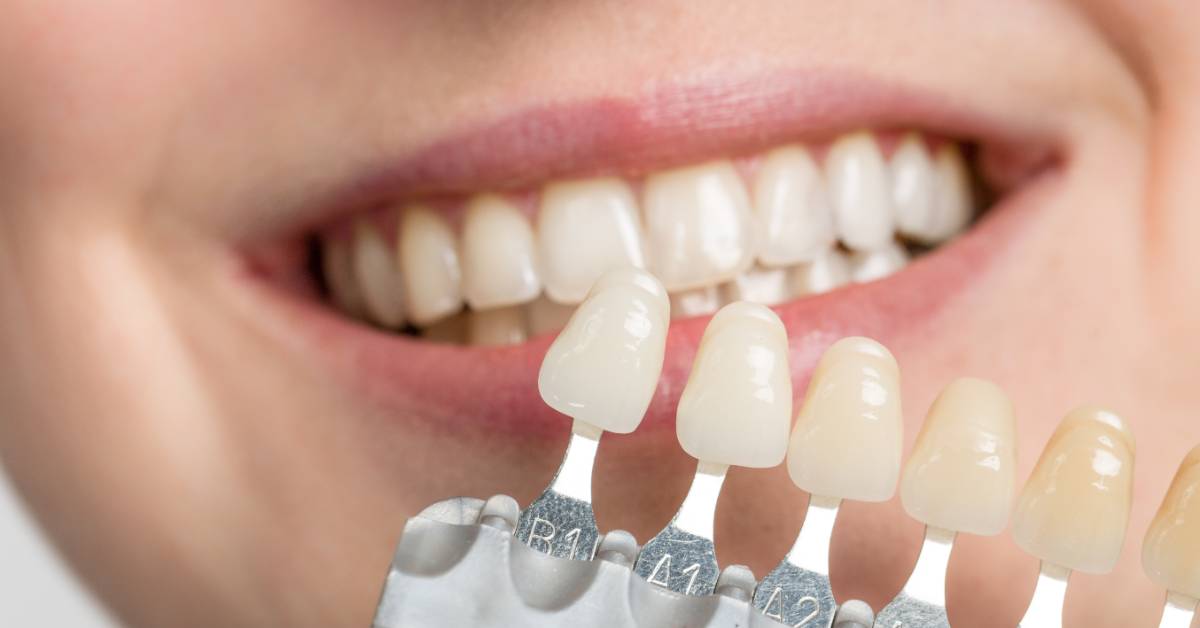
Protect the Exposed Tooth While You Wait
Until your appointment, chew on the opposite side of your mouth when possible. Choose softer foods that require less biting pressure. Avoid biting directly into hard foods with the affected tooth. Sticky foods may also create unnecessary stress.
Continue brushing gently with a soft toothbrush and fluoride toothpaste. Clean between your teeth carefully without pulling forcefully against the affected area. If cold drinks trigger sensitivity, try room temperature beverages for now. Keeping your mouth clean supports gum health.
If a rough edge bothers your tongue, ask your dental office about a suitable temporary covering. Do not apply random materials or over-the-counter adhesives without guidance. Your dentist can recommend an appropriate short-term option, such as orthodontic wax.
Understand Why Veneers Sometimes Come Loose
Veneers rely on a strong bond between the restoration, the cement, and the tooth surface. That bond can weaken because of repeated pressure, an injury, or changes in the tooth beneath it. Teeth grinding may place extra force on veneers. Biting hard objects can also cause a veneer to crack or detach.
Sometimes a veneer falls off because decay develops near its margins. The dentist must address those concerns before considering another restoration. A veneer that repeatedly loosens may signal a bite issue that deserves attention. Identifying the cause helps guide treatment.
Can Your Dentist Reattach the Same Veneer?
Your dentist may be able to rebond the original veneer if the veneer and tooth remain intact. The dentist will check the fit. They will also evaluate whether the original bonding failure points to a larger concern.
If the veneer has cracks or no longer fits properly, replacement may offer a better option. Your dentist may recommend treating decay or another tooth problem before placing a new veneer. Each situation requires an individual assessment.
What Happens During Your Dental Visit?
Your appointment generally begins with an examination of the exposed tooth. Your dentist may take images if they suspect damage beneath the veneer. They will discuss whether rebonding or replacement makes sense.
If the original veneer remains usable, the dentist can prepare the surfaces and bond it back into position. When you need a new veneer, the process may involve impressions or digital scans and a separate placement visit. Your dentist can explain how to care for the tooth between appointments.
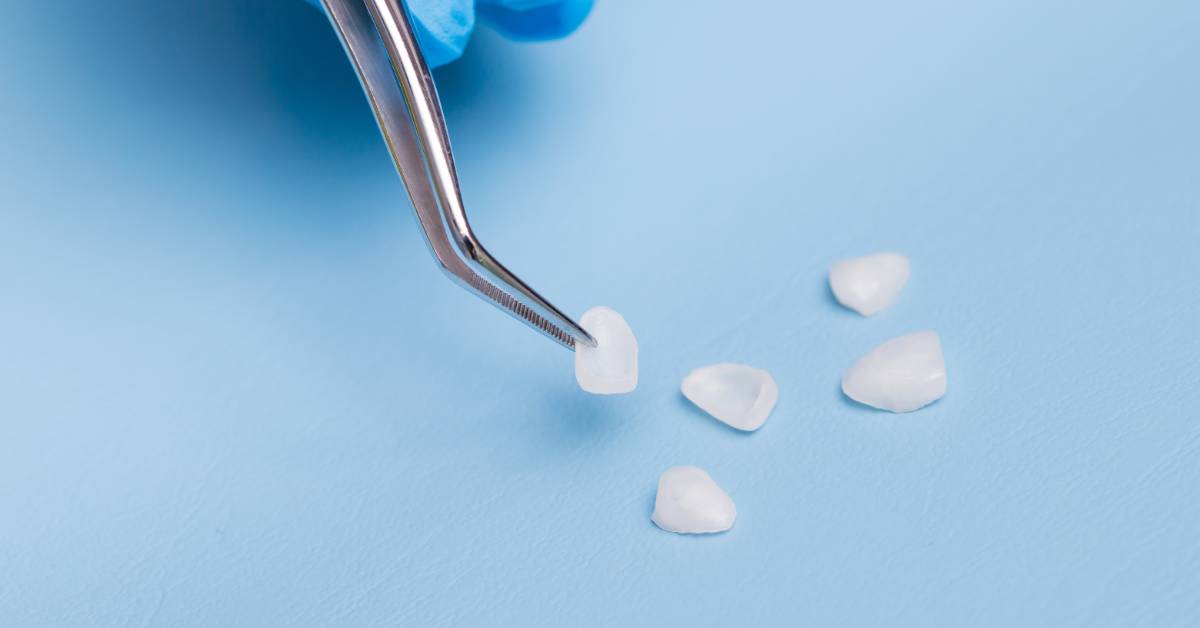
Should You Keep Wearing a Temporary Veneer?
Some patients have a temporary veneer while waiting for a permanent restoration. If that temporary covering comes loose, contact your dental office for instructions. Temporary materials may require different handling than porcelain veneers, and your dentist can explain the safest approach. Do not reuse leftover dental cement unless your dentist specifically recommends it.
A temporary veneer protects the prepared tooth while treatment continues. Without that covering, the tooth may feel more sensitive than usual. Avoid testing the tooth with your fingernail or repeatedly checking the area with your tongue. Let your dental team know if the exposed surface becomes painful or interferes with eating.
How Can You Lower the Risk of Another Loose Veneer?
Treat veneers with the same care you give your natural teeth. Brush regularly and clean between teeth to reduce plaque buildup. Avoid chewing ice or using your teeth to open packaging. These habits create pressure that can damage dental work.
If you grind your teeth, tell your dentist. A custom nightguard may help reduce stress on your restorations. Regular dental visits also give your dentist opportunities to check veneer margins. Although no veneer lasts forever, thoughtful daily habits can help protect your investment.
Get Help Protecting Your Smile
Understanding what you should do if a veneer falls off can make an unexpected situation easier to manage. Save the restoration if possible, protect the exposed tooth, and arrange a dental evaluation rather than attempting a repair at home. Pinnacle Dental Associates is a top-rated dentist office in Albany, Oregon, that provides cosmetic dentistry and other dental care. Contact our office today to schedule an appointment and discuss the next step for your smile.