
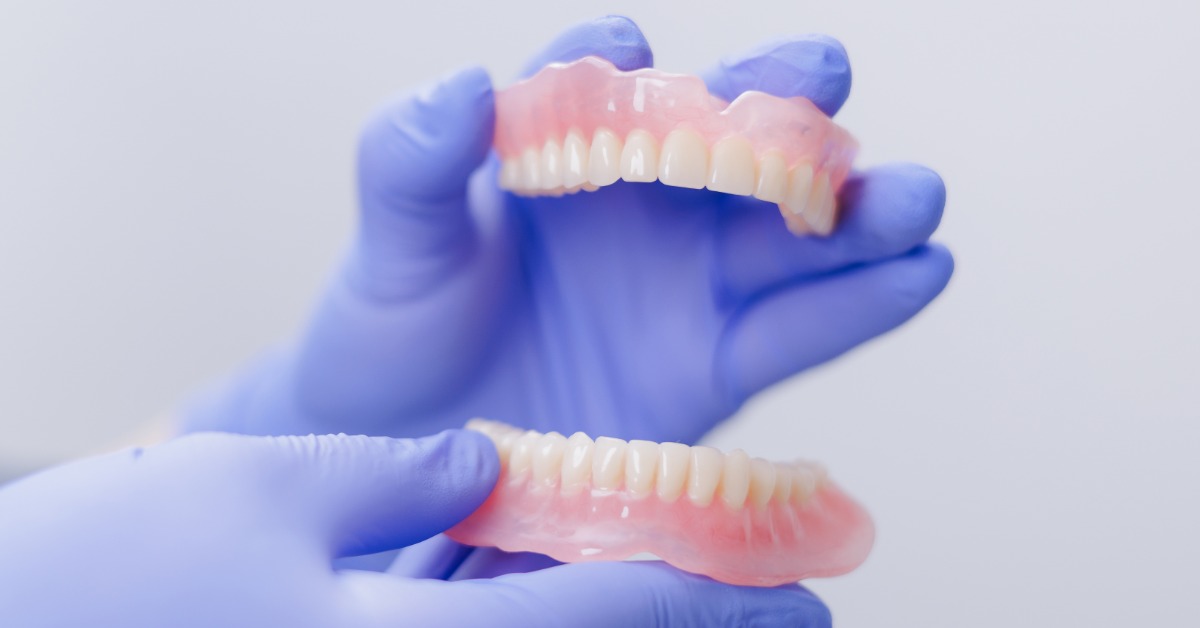
Lower dentures can make everyday activities frustrating when they shift. You might notice movement while eating or feel your denture lift whenever you speak. Unlike upper dentures, lower dentures have less surface area for support and must share space with your tongue. Keeping your lower dentures from slipping starts with understanding why they move and choosing the right solution. A comfortable fit can help you enjoy meals and conversations without worrying about your teeth.
Why Lower Dentures Tend To Move
Your lower jaw creates a challenging foundation for removable dentures. Upper dentures cover the palate, which provides a surface that helps create suction. Lower dentures rest on a narrower ridge of gum tissue, leaving less room for stability. Your tongue also moves against the denture throughout the day.
The shape of your jaw changes after tooth loss. Without natural tooth roots, the surrounding bone shrinks. As that ridge becomes smaller, a denture that once fit comfortably may begin rocking or lifting. These changes can happen even when you take care of your mouth. Losing weight also will affect the fit of a denture.
Recognize the Signs of a Poor Fit
Some movement can occur with removable lower dentures, while you adjust to wearing them. However, slipping should not become something you simply tolerate. A denture that loses its position may need professional attention.
Watch for sore spots, difficulty chewing, or a clicking sound when you talk. You may also find yourself pressing your tongue against the denture to hold it steady. If the appliance rubs your gums, continuing to wear it without an evaluation can make irritation worse.
Start With a Professional Denture Evaluation
A dental examination offers the most reliable starting point when your lower denture feels loose. Your dentist can inspect the denture and evaluate how it rests against your gums. They can also check your bite to see whether uneven pressure contributes to movement.
Sometimes the problem involves wear rather than a major change in your mouth. In other cases, your jaw ridge may have changed enough to require a different approach. Identifying the cause helps you avoid relying on temporary fixes that never address the underlying issue.
Consider a Denture Reline
A reline changes the inner surface of an existing denture so it follows the contours of your gums. Your dentist may recommend this option when the denture remains in good condition but no longer fits properly. A better contact surface can reduce unwanted movement.
Relining does not solve every stability problem. If the denture has worn teeth, damaged material, or an unsuitable shape, a reline alone may not provide enough support. Your dentist can explain whether relining makes sense or whether replacement would offer a more dependable fit.
Use Denture Adhesive Correctly
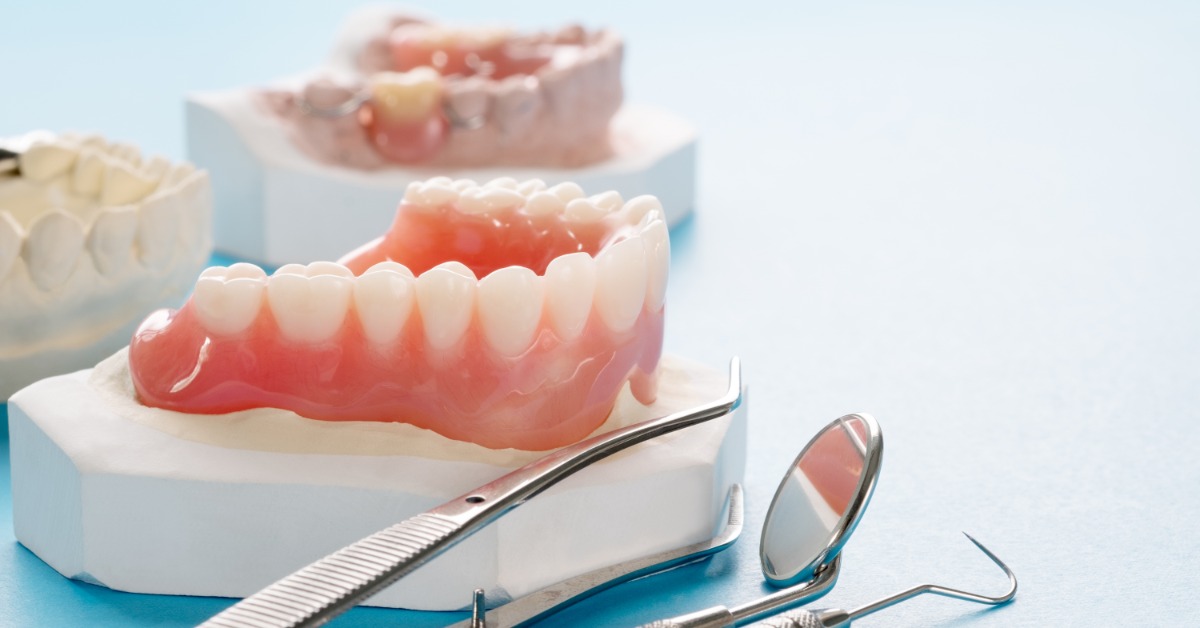
Denture adhesive can provide extra security for a fitting removable denture. Creams and other adhesive products help reduce minor movement during normal activities. They should not serve as a substitute for professional care when a denture becomes loose.
Follow the product directions and begin with a small amount. Applying too much can create excess material that squeezes out around the denture. Clean away old adhesive each day before applying a layer. If you need increasing amounts to keep the denture in place, schedule an evaluation.
Practice Eating With Lower Dentures
Eating with lower dentures requires practice because chewing creates pressure that can tip the appliance. Begin with softer foods and cut meals into manageable pieces. As you become comfortable, introduce foods that require more chewing.
Try chewing on both sides of your mouth at the same time. This distributes pressure more evenly and may help prevent one side of the denture from lifting. Avoid biting into especially hard foods with your front denture teeth, since that motion can dislodge the appliance.
Improve Stability While Speaking
Your tongue plays a major role in speech, so it naturally contacts your lower denture when you pronounce certain sounds. A new denture may feel bulky until your mouth adapts. Reading aloud at home can help you practice speaking with greater control.
Speak at a pace and notice which words cause movement. With practice, your muscles may learn to work around the appliance. If the denture continues lifting during ordinary conversation, ask your dentist to assess its fit rather than forcing your tongue to hold it down.
Keep Your Denture and Gums Clean
Daily cleaning supports comfort and helps you recognize problems before they worsen. Remove your dentures and brush them with a cleaner designed for dentures. Clean your gums with a soft toothbrush or damp cloth to remove debris.
Rinse the denture after meals. Food particles trapped underneath can create pressure points that make the appliance feel unstable. Follow your dentist’s instructions for overnight storage, and avoid hot water that could distort the denture material. Healthy tissues provide a more comfortable foundation for daily wear.
Know When Replacement Makes Sense
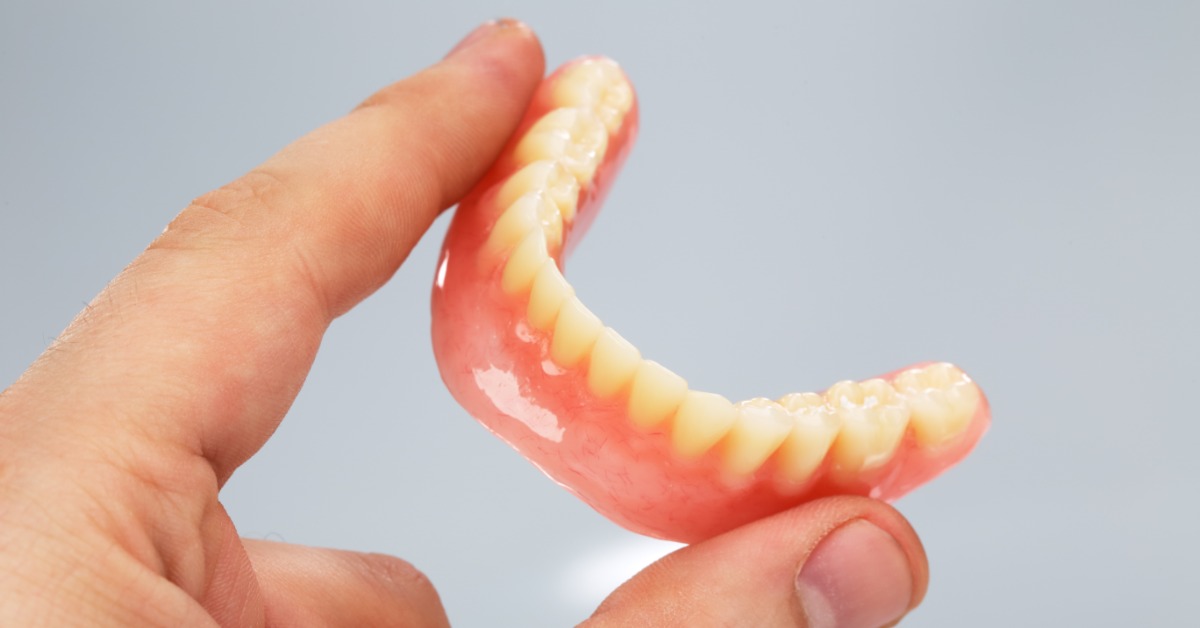
Dentures experience wear as you use them, and your mouth continues changing over time. Eventually, a denture may no longer respond well to minor adjustments. Worn chewing surfaces can also change how your teeth meet, making the lower appliance less stable.
Your dentist can evaluate whether a new denture would improve comfort and function. Replacement allows the dental team to account for your current gum contours and bite relationship. Rather than repeatedly struggling with an outdated appliance, you can discuss a design that better matches your needs.
Ask About Implant-Supported Dentures
Dental implants offer another way to improve lower denture stability. In fact, implant-supported complete dentures are now the standard of care for lower dentures. Implants act as anchors in the jawbone and significantly improve retention of the denture that attaches to them. This connection reduces the lifting and shifting associated with conventional removable dentures.
Implant-supported options require a careful evaluation of your oral health and available bone. They also involve a longer treatment process and higher costs than traditional dentures. Your dentist can review whether you qualify and explain the maintenance that the attachment system requires. Implants offer additional retention when ordinary dentures remain difficult to manage.
Find a More Comfortable Fit in Albany, OR
Keeping your lower dentures from slipping begins with addressing the reason they move instead of accepting discomfort. Professional guidance can help you decide whether adjustments or another treatment option fits your situation. Pinnacle Dental Associates provides dentures in Albany, OR, with an approach focused on helping patients feel comfortable and confident in their smiles. Contact our office to schedule an appointment and discuss your denture concerns with our dental team.