
Losing a tooth can affect the way you eat, speak, and feel about your smile. A dental implant offers a long-term way to replace missing teeth with restorations supported by posts placed securely in the jawbone. Still, the process involves more than simply placing a replacement tooth in one appointment. Understanding what to expect when getting a dental implant can help you feel prepared for each stage, from the first evaluation through the placement of your final restoration.
How a Dental Implant Works
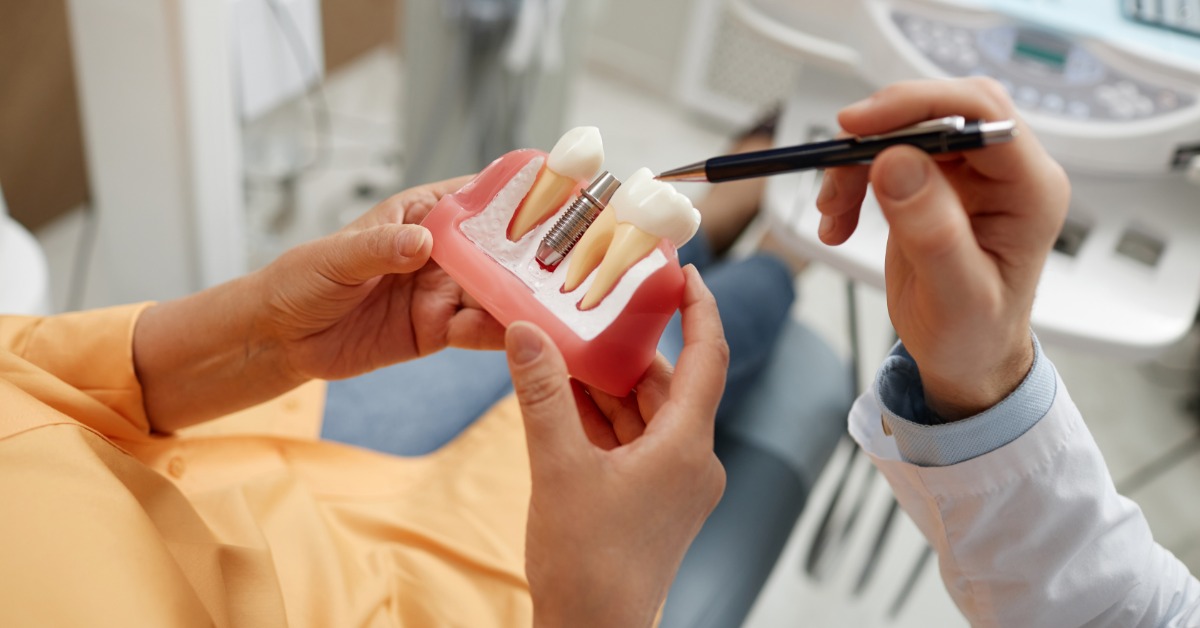
A dental implant replaces the root portion of a missing tooth. The implant itself is a small post that a dentist places into the jawbone. After the area heals, the implant can support a dental crown that fills the visible space left by the missing tooth.
The implant depends on the surrounding bone for support. During healing, the bone gradually bonds with the implant and creates a firm base for the restoration. This process takes time, which is why implant treatment often involves several appointments rather than one quick procedure.
Your Initial Dental Implant Consultation
The process starts with an evaluation of your mouth. Your dentist examines the area where you have lost a tooth and checks the condition of your gums. Imaging can also help the dentist evaluate the bone beneath the gums and determine whether it can support an implant.
Your dentist will also review your dental history and discuss factors that may influence treatment. This appointment gives you an opportunity to ask questions about the procedure and learn how the planned treatment applies to your individual needs.
Not every patient follows the same implant timeline. The location of the missing tooth and the condition of the surrounding tissues can affect the treatment plan. Your dentist can explain the recommended approach after completing the evaluation.
Preparing Your Mouth for Implant Placement
Some patients can move directly to implant placement after their evaluation. Others may need additional dental care before the implant procedure. For example, an unhealthy tooth may need removal before the dentist can prepare the area for an implant.
The jaw also needs enough healthy bone to hold the implant securely. If the bone lacks the necessary volume, your dentist may recommend a bone graft before implant placement. A graft helps create a stronger foundation, but it can add healing time to the overall process.
Your dentist will give you instructions before the procedure. Following those directions can help the appointment proceed smoothly and make your recovery easier to manage.

What Happens During Dental Implant Surgery?
During implant surgery, the dentist makes an opening in the gum to reach the jawbone. The dentist then prepares a precise space in the bone and places the implant post. After positioning the implant, the dentist closes or protects the treatment area so healing can begin.
Local anesthesia helps keep the area comfortable during the procedure. Your dental team will explain what to expect during the appointment based on your treatment plan. Knowing the steps beforehand can make the experience feel more familiar when the day arrives.
The length of the appointment can vary according to the number of implants involved and the complexity of the procedure. Your dentist can give you a more personalized idea of the expected appointment time before treatment.
Healing After Implant Placement
After surgery, some tenderness or swelling around the treatment area can occur. Your dentist will provide instructions for caring for your mouth during the early healing period. Those directions may cover eating habits and cleaning around the surgical site.
You may need to choose softer foods while the area feels tender. Avoiding pressure on the implant site can help protect the tissues as they begin to heal. Your dentist may also recommend adjustments to your brushing routine around the surgical area.
Contact your dental office if you have concerns during recovery or notice symptoms that seem unusual. Your dentist can determine whether the area is healing as expected and provide guidance when needed.
Why Dental Implants Need Time to Heal
A major part of implant treatment happens beneath the gums. The jawbone needs time to grow closely around the implant surface. Dentists often call this process osseointegration.
Osseointegration creates the stability that allows an implant to support a replacement tooth. Because the body completes this process gradually, the dentist generally waits for sufficient healing before attaching the final restoration. Rushing this stage could interfere with the strong foundation the implant needs.
Healing times differ from person to person. Your dentist will monitor the implant at follow-up appointments and decide when it is ready for the next stage.

Placing the Abutment and Final Crown
Once the implant has integrated with the jawbone, the dentist can prepare it for the visible restoration. An abutment connects the implant to the dental crown. Depending on the treatment approach, the dentist may place the abutment during implant surgery or at a later appointment.
Your dentist will also gather the information needed to create a crown that fits your bite and complements your smile. The crown becomes the part of the implant restoration that you see above the gumline.
After the crown is ready, the dentist attaches it to the implant system and checks how it fits. The goal is to create a stable replacement that allows you to use your mouth comfortably in everyday life.
Caring for Your Dental Implant Long Term
Dental implants do not develop cavities, but the tissues around them still need consistent care. Plaque can collect near an implant just as it collects around natural teeth. Keeping the area clean supports the gums and bone that help hold the implant in place.
Brush carefully every day and clean between your teeth as your dental team recommends. Regular dental visits also allow your dentist to examine the implant and check the surrounding tissues.
Healthy natural teeth and gums contribute to a balanced bite. Taking care of them also helps you maintain your oral health over time.
Start Your Dental Implant Journey in Albany, OR
Knowing what to expect when getting a dental implant can make the process feel more manageable and help you understand why each stage matters. From careful planning to healing and final crown placement, implant treatment focuses on creating a stable replacement for a missing tooth. Pinnacle Dental Associates provides dental implants in Albany, OR, using cutting-edge technology to meet patients’ dental needs while helping them receive more of their care in one office. If you are considering an implant, contact Pinnacle Dental Associates to schedule an appointment and discuss whether this treatment fits your smile.