

Choosing the right toothbrush can make daily oral care feel easier and more effective. Both electric and manual toothbrushes can support a healthy smile when you use them correctly, but each option offers a different brushing experience. Understanding the benefits of electric vs. manual toothbrushes can help you decide which style better matches your habits, comfort, and oral health needs. The best choice often comes down to how consistently you brush and how well your toothbrush helps you clean every surface of your teeth.
How Electric and Manual Toothbrushes Clean Your Teeth
Electric and manual toothbrushes share the same basic purpose: removing plaque and food debris from teeth and along the gumline. The main difference involves how the brush head moves. With a manual toothbrush, your hand controls every brushing motion. An electric toothbrush uses a powered brush head to create much of that movement for you.
Neither option eliminates the need for good technique. You still need to guide the bristles across the outer and inner surfaces of each tooth while paying attention to the gumline. A toothbrush only works well when you use it regularly and reach the areas where plaque tends to collect. Your brushing habits matter just as much as the type of toothbrush you choose.
Why Some People Prefer Electric Toothbrushes
Electric toothbrushes can make brushing feel more manageable because the powered head handles much of the repetitive movement. Instead of creating every stroke yourself, you guide the brush slowly from one area to another. This design may appeal to people who find manual brushing tiring or who struggle to maintain consistent motions throughout a full brushing session.
An electric toothbrush may also help someone who has limited hand movement or finds gripping a standard toothbrush difficult. The larger handle can feel easier to hold for some users. Because the brush creates its own cleaning motion, the user can focus more attention on positioning the bristles carefully around the mouth.
What Makes Manual Toothbrushes a Practical Choice
Manual toothbrushes remain a dependable option for daily oral hygiene. They require no charging or batteries, and you can easily keep one at home or pack one for travel. Their simple design also makes replacing a worn toothbrush straightforward.
A manual brush gives you direct control over speed and pressure. Some people prefer that familiar feeling and find it easier to adjust their brushing movements around sensitive areas. When you use gentle pressure and careful technique, a manual toothbrush can clean your teeth effectively.
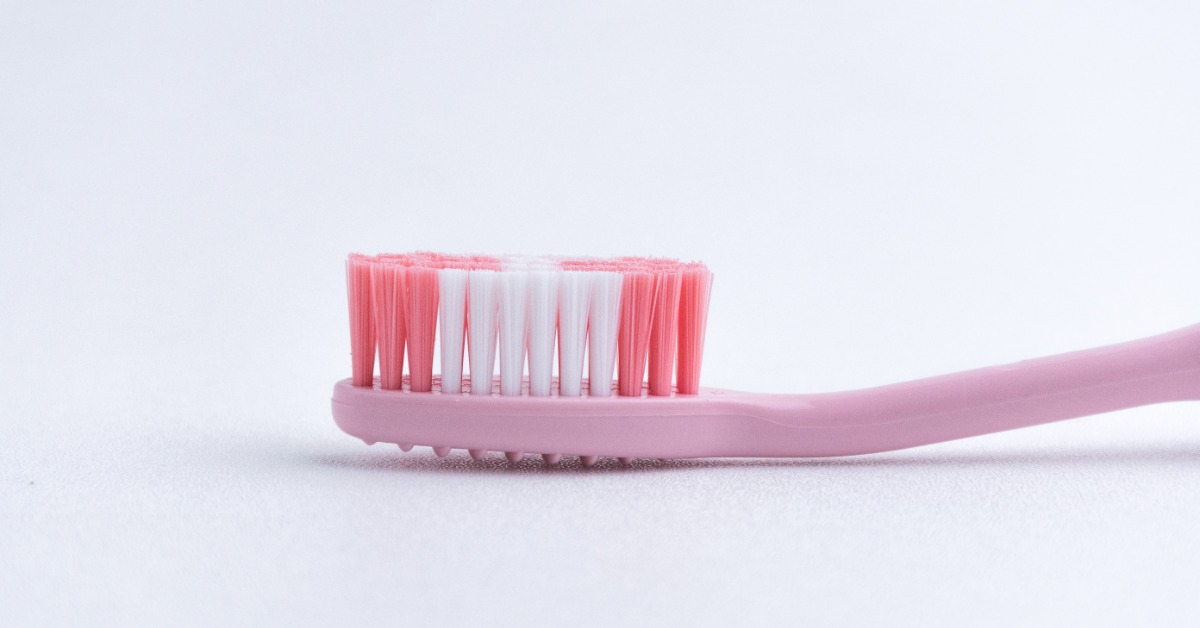
Manual toothbrushes also come in different head sizes and handle shapes. Choosing a design that fits comfortably in your mouth can make it easier to reach back teeth. Soft bristles generally provide a gentle way to clean while reducing the temptation to scrub aggressively.
Brushing Pressure Matters With Either Option
Brushing harder does not necessarily mean brushing better. Excessive pressure can irritate the gumline and make brushing uncomfortable. Whether you use an electric or manual toothbrush, focus on controlled contact rather than force.
Electric toothbrushes with pressure sensors can offer an extra reminder when you push too hard or too soft. With a manual brush, you need to monitor pressure on your own. Holding the handle with a relaxed grip may help you avoid aggressive scrubbing and encourage smoother movements.
Pay attention to how your mouth feels after brushing. If your gums frequently feel sore or your toothbrush bristles quickly become flattened, you may be using too much force. Your dental team can also review your technique and suggest adjustments based on what they see during an exam.
Consider Your Dexterity and Daily Routine
On the other hand, a manual toothbrush can fit easily into almost any routine. You do not need to remember a charger, find an outlet, or replace batteries. For frequent travelers or people who value simplicity, those qualities can make manual brushing more convenient.
Think about which option you are most likely to use properly every morning and evening. A toothbrush that suits your routine can encourage consistency. The most advanced features offer little value if you dislike using the brush or regularly skip brushing because it feels inconvenient.
You can also choose a hybrid approach for more flexibility. For example, it may be easy to keep an electric toothbrush charging on your bathroom counter at home for daily use but also have a manual toothbrush for traveling.
Choosing a Brush for Children and Families
Parents should choose an age-appropriate toothbrush that fits comfortably in a child’s mouth. A smaller brush head can make it easier to reach different tooth surfaces without making brushing feel awkward. Children also need guidance as they develop the coordination required for thorough brushing.
Adults can help children build good habits by making brushing part of a predictable daily routine. Regardless of toothbrush type, supervision may help younger children clean areas they might otherwise miss. A dental professional can offer personalized guidance as a child’s brushing skills develop.
Look Beyond the Extra Features
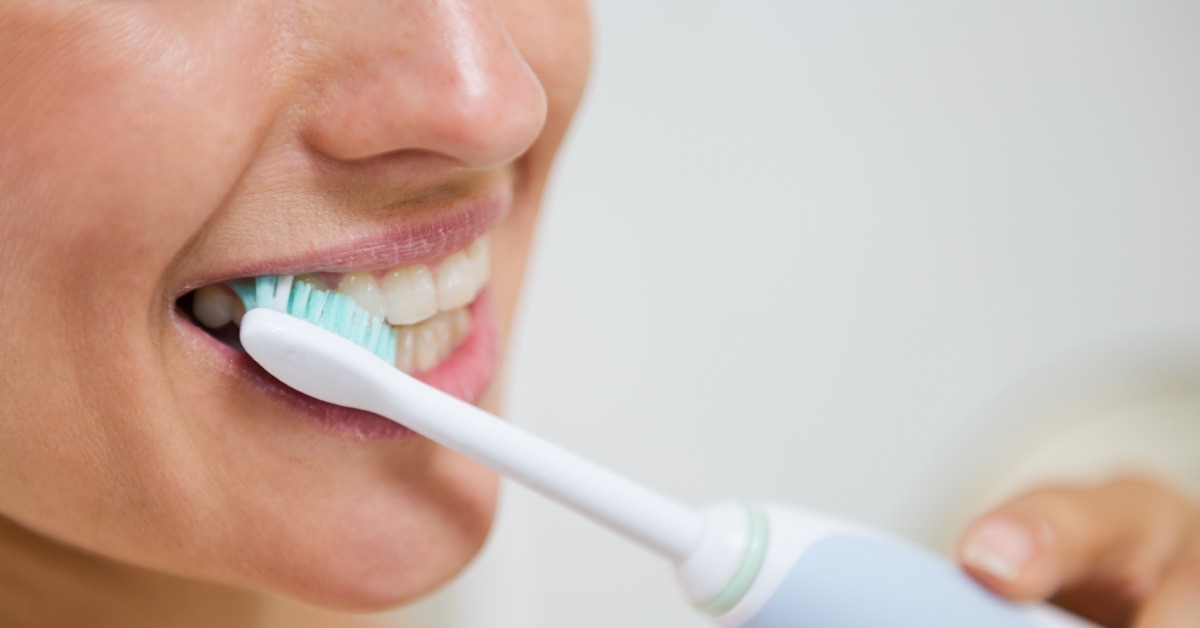
Electric toothbrushes often come with multiple settings or connected features, but you may not need every available option. Consider whether a feature will improve your daily routine before making it a priority. A simple electric model may provide everything you need if you mainly want powered brushing and a timer.
Whichever style you choose, replace the brush or brush head when the bristles become worn, usually no more than every three months. Frayed bristles do not clean as comfortably or efficiently as bristles in good condition. Keeping your toothbrush fresh supports the effort you put into your daily routine.
Ask Your Dental Team for Personalized Guidance
Your mouth can have needs that a product package cannot evaluate. Areas of plaque buildup, gum sensitivity, dental restorations, or orthodontic appliances may influence which toothbrush design feels easiest to use. Your dental team can look at your oral health and recommend brushing techniques that address those needs.
Bring up any difficulties you experience during brushing at your next visit. If you routinely miss certain areas, struggle with pressure, or find brushing uncomfortable, small changes may improve your routine. Sometimes changing the brush head size or handle style can make daily care easier.
Finding the Toothbrush That Works for Your Smile
When comparing the benefits of electric vs. manual toothbrushes, remember that both options can play a valuable role in daily oral care. Electric brushes may provide helpful movement and feedback, while manual brushes offer simplicity and direct control. Your comfort and brushing habits should guide your choice so you can maintain a routine that supports your smile.
Pinnacle Dental Associates provides dental and orthodontic services in Albany, OR that can help patients make informed decisions about their at-home oral care. Our team can evaluate your brushing habits and provide guidance based on your individual needs. If you have questions about toothbrush selection or your oral hygiene routine, contact Pinnacle Dental Associates to schedule an appointment.