
Dry mouth may feel like a small inconvenience, but saliva is essential for maintaining comfort in the mouth and supporting overall oral health. When the mouth does not produce enough saliva, teeth and soft tissues lose some of their natural protection. Understanding how dry mouth can affect your teeth and gums can help you recognize changes early and take practical steps to protect your smile. With the right daily habits and dental guidance, many people can reduce discomfort and lower the chance that dryness will contribute to larger oral health concerns.
Why Saliva Matters for Oral Health
Saliva does much more than keep the inside of your mouth moist. It washes away food particles and helps limit the amount of time that acids remain in contact with tooth enamel. When saliva flow decreases, the mouth loses part of this built-in defense.
A consistently dry environment can change how your mouth feels and functions. You may notice sticky tissues, frequent thirst, or difficulty speaking for long periods. Some people also find that certain foods become harder to eat comfortably.
Dry Mouth Can Increase the Risk of Tooth Decay
Your teeth face acids whenever bacteria in the mouth interact with sugars and other carbohydrates. Saliva helps clear away debris and dilute those acids before they continue attacking enamel. With less saliva available, acids may stay on tooth surfaces longer. That environment can make cavities more likely to develop over time.
The spaces between teeth and the edges of existing dental restorations can require careful cleaning. Regular brushing with fluoride toothpaste and daily cleaning between teeth become especially important when saliva flow drops. Dental visits also give your dentist an opportunity to look for early signs of decay before a small problem grows.
Gum Tissue May Become More Vulnerable
Healthy gums benefit from a clean, moist oral environment. When the mouth stays dry, plaque and food debris may linger more easily along the gumline. This buildup can irritate gum tissue and contribute to redness or tenderness. If plaque remains in place, gum health can decline.
Dry tissues can also feel sore or sensitive, which may make brushing less comfortable. However, avoiding the irritated area can allow more plaque to accumulate. A soft-bristled toothbrush and gentle technique can help you clean effectively without unnecessary pressure. If your gums bleed, hurt, or remain irritated, a dental evaluation can help identify what is causing the change.

Bad Breath Can Accompany a Dry Mouth
Saliva naturally rinses the mouth throughout the day. When saliva production falls, odor-causing bacteria and food particles can remain in the mouth longer. As a result, persistent bad breath may accompany dry mouth.
Good oral hygiene can help manage odor associated with dryness. Brush your teeth thoroughly and clean between them each day. Cleaning your tongue can also remove material that contributes to unpleasant breath. If bad breath continues despite consistent home care, your dentist can check for dental problems that may be contributing.
Everyday Habits Can Make Dryness Worse
Some daily habits can leave the mouth feeling drier. Frequent sipping of caffeinated drinks may contribute to discomfort for some people, while alcohol and tobacco can also irritate oral tissues. This includes mouthrinses that contain alcohol. Breathing through the mouth, especially during sleep, can reduce moisture and make morning dryness more noticeable.
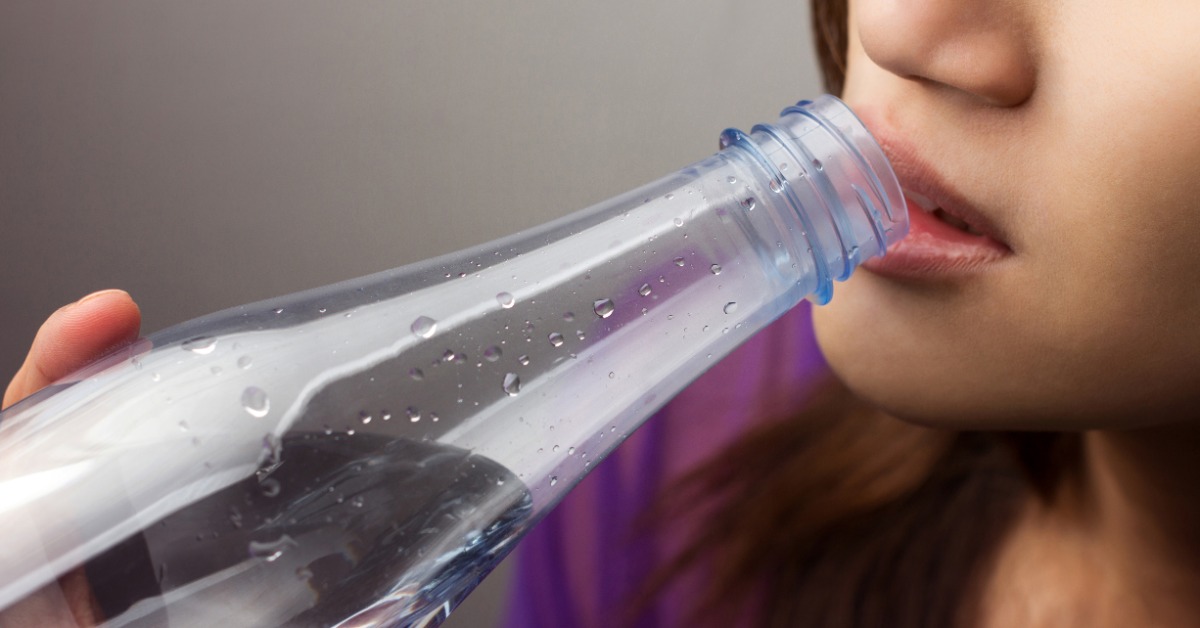
Water is usually the simplest choice for keeping the mouth comfortable throughout the day. Sipping it regularly can help rinse away food particles when natural saliva production decreases. Sugar-free gum may also encourage saliva flow for some people. Your dentist can recommend options that fit your oral health needs.
Medications and Health Factors May Play a Role
Dry mouth can have many possible causes, so it helps to consider the full picture rather than assuming one explanation. Certain medications can reduce saliva flow as a side effect. Changes in health or medical treatment may also affect how much saliva the mouth produces. One significant example is those who have head and neck radiation for cancer treatment. A dentist can discuss your symptoms and help determine whether additional evaluation makes sense.
Do not stop or change a prescribed medication because your mouth feels dry without speaking with the healthcare professional who prescribed it. Instead, mention the symptom to your dentist and medical provider. Coordinated care can help address comfort while protecting your oral health.
Protecting Your Teeth When Your Mouth Feels Dry
Consistent home care becomes especially valuable when your mouth lacks its usual moisture. Brush twice a day with toothpaste that contains both fluoride and nano-hydroxyapatite, using gentle pressure along every tooth surface and the gumline. Clean between your teeth daily to remove plaque where a toothbrush cannot reach well.
Try to limit frequent exposure to sugary foods or drinks, since repeated sugar intake gives oral bacteria more opportunities to produce acids. Water can help keep your mouth moist without adding sugar. If you use lozenges or gum for dry mouth, choosing sugar-free options are a must to help protect your teeth, as sugar-containing products will highly increase your risk of tooth decay. Your dentist may suggest additional products based on your symptoms and cavity risk.
When To Talk With Your Dentist About Dry Mouth
Occasional dryness can happen, but persistent symptoms deserve a conversation with your dentist. Make an appointment if your mouth regularly feels sticky or uncomfortable, especially if you also notice tooth sensitivity, gum irritation, or changes in your breath. Difficulty chewing or swallowing can also make dryness more disruptive. A dental examination can reveal whether dry mouth has already affected your teeth or gums.
Your dentist can also review your routine and suggest ways to improve moisture and oral protection. Recommendations may vary depending on your dental history and the likely cause of your symptoms. Addressing dryness early can make daily care easier and help prevent avoidable dental problems.
Trusted Dental Care for Dry Mouth in Albany, OR
Learning how dry mouth can affect your teeth and gums gives you a better chance to respond before discomfort turns into a more serious dental concern. Good hydration and careful home care can support your mouth, but persistent dryness may require professional attention. Pinnacle Dental Associates provides trusted dental care in Albany, OR, with a family-friendly approach and technology that helps our team address a wide range of dental needs in one office. If dry mouth is affecting your comfort or oral health, schedule an appointment to discuss your symptoms and receive guidance for protecting your smile.