
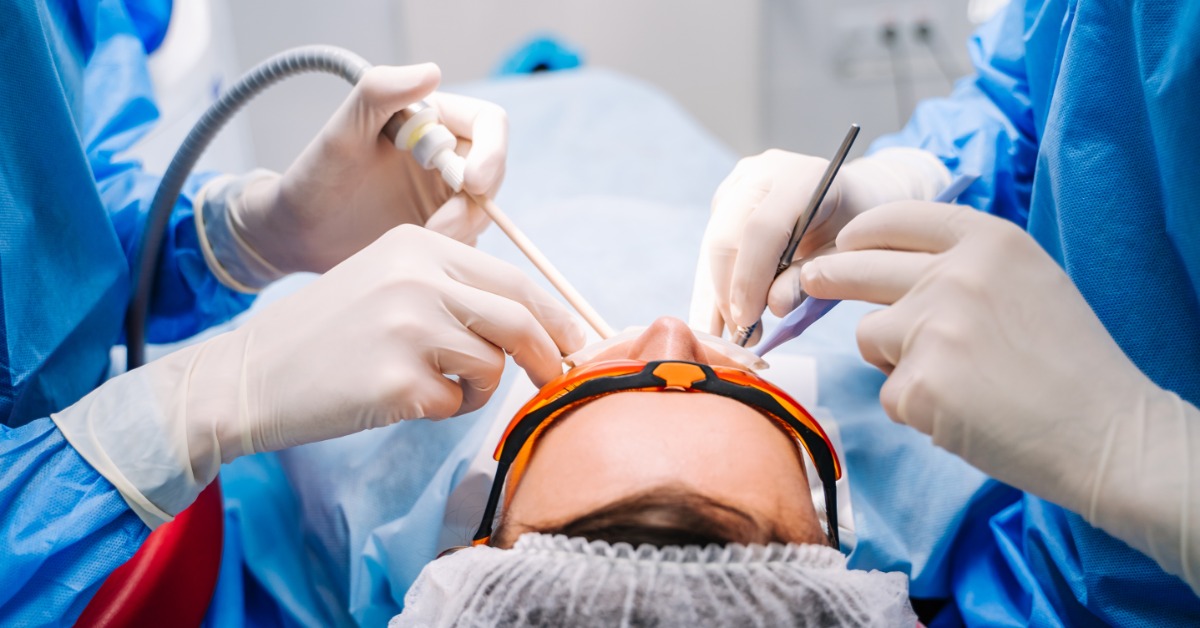
Getting dental implants can restore your smile and improve everyday comfort. Many people choose implants because they provide a secure, natural-looking replacement for missing teeth that can last for many years with proper care.
Although the procedure has a high success rate, patients should understand the common dental implant surgery side effects they may experience during recovery. Knowing what to expect helps you feel more confident before treatment and allows you to recognize the difference between normal healing and signs that deserve professional attention.
Mild Swelling Is Normal
Swelling ranks among the most common reactions after dental implant surgery. Your gums and nearby facial tissues may become puffy as blood flow increases to support healing. This response often appears during the first day and reaches its highest point within about two days.
Applying a cold compress during the first twenty-four hours can help reduce swelling. Keeping your upper body slightly elevated during rest may also help you feel more comfortable. As healing continues, the swelling gradually decreases without additional treatment.
Some patients notice swelling extending into the cheek or lower jaw. This reaction can look dramatic even when healing progresses normally. Contact your dentist if swelling suddenly worsens after it has already started improving.
Temporary Discomfort Around the Implant Site
Some soreness after surgery should not come as a surprise. The dentist creates a small opening in the gums and jawbone to place the implant, so mild discomfort naturally follows the procedure.
Many patients manage this soreness with medication recommended by their dentist. Eating softer foods during the first several days also reduces pressure on the healing area. Gentle care allows the tissues to recover without unnecessary irritation.
Pain should gradually improve instead of becoming more intense. If severe discomfort develops unexpectedly or continues without improvement, your dental team should evaluate the area promptly.
Minor Bleeding During Early Healing
A small amount of bleeding often occurs during the first several hours after implant placement. Slight oozing from the surgical site may continue into the first day, especially after eating or brushing nearby teeth.
Your dentist typically provides gauze to help control the bleeding immediately after surgery. Biting gently on fresh gauze encourages a stable blood clot to form over the implant site. Avoid vigorous rinsing because strong pressure can disturb the clot before healing progresses.
Most bleeding stops within a short period. Bleeding that remains heavy or continues well beyond the expected timeframe deserves immediate attention from your dentist.
Bruising Can Appear Around the Jaw
Some patients develop bruising on the cheeks, jawline, or beneath the chin after implant surgery. Bruising happens when small blood vessels break during the procedure and release blood beneath the skin. Although the discoloration may look concerning, it usually causes little discomfort.
Bruises often change colors as they heal. You may notice dark purple areas that gradually become green, yellow, or light brown before disappearing completely. This progression reflects normal healing rather than a problem with the implant.
Patients who bruise easily or take certain medications may notice more visible discoloration. Even so, bruising generally fades on its own without special treatment.
Sensitivity While Eating
Your mouth may feel more sensitive than usual during recovery. Pressure from chewing can irritate healing tissues, making some foods uncomfortable to eat.
Choosing softer meals allows your gums to heal without unnecessary stress. Foods that require less chewing also reduce movement around the implant site during the early stages of recovery. As healing continues, most patients gradually return to their regular diet according to their dentist’s recommendations.
Very hot foods may also increase temporary sensitivity. Allowing meals and beverages to cool slightly often improves comfort during the first several days after surgery.
Temporary Difficulty Opening Your Mouth
Some people notice mild jaw stiffness after implant surgery. The muscles surrounding the treatment area may tighten because of inflammation or because they remained open during the procedure for an extended period.
Jaw stiffness usually improves as swelling decreases. Gentle movement during normal daily activities often restores comfortable motion without forcing the jaw beyond its limits. Patients should avoid excessive stretching if it causes pain.
If you received several implants during one appointment, you might notice stiffness lasting slightly longer than someone who received only one implant. Even then, gradual improvement remains the expected pattern during recovery.
Temporary Numbness After the Procedure
Local anesthesia keeps you comfortable during implant surgery, so numbness often remains after you leave the office. Depending on the medication used, this sensation may last several hours before normal feeling returns.
Avoid chewing until the numbness wears off because you could accidentally bite your cheek, tongue, or lip without realizing it. Drinking through a straw also may create unnecessary pressure near the healing site, so follow your dentist’s instructions about eating and drinking after treatment.
If numbness continues far longer than expected or affects areas unrelated to the procedure, contact your dentist. Persistent changes in sensation deserve prompt evaluation even though they occur infrequently.
Gum Changes During Healing
Your gums will change appearance as they recover around the implant. The tissues may look slightly red during the first several days before returning to a healthier color. You may also notice firmness developing as the gums heal around the implant.
Keeping the area clean supports healthy healing. Your dentist may recommend special rinses or gentle brushing techniques that protect the surgical site without disrupting recovery. Following these directions reduces irritation while encouraging healthy tissue growth.
Avoid touching the implant area with your fingers or tongue. Giving the tissues time to heal without unnecessary pressure supports a smoother recovery.
Knowing When To Contact Your Dentist
Most side effects improve little by little each day. A gradual reduction in swelling, soreness, and sensitivity usually signals that healing continues as expected.
Some symptoms deserve professional attention. Pain that becomes worse instead of better, swelling that suddenly increases after improving, ongoing heavy bleeding, or signs of infection should prompt a call to your dentist. An unpleasant taste that does not go away or drainage from the surgical site also requires evaluation.
Prompt communication allows your dental team to determine whether your healing remains on track or if additional treatment could help. Addressing concerns early often prevents small issues from becoming larger problems.
Supporting a Comfortable Recovery
Following your aftercare instructions plays an important role in healing after dental implant surgery. Taking medications as directed, attending follow-up appointments, and avoiding activities that place stress on the implant all support successful recovery.
Good oral hygiene also protects the surgical area. Cleaning your teeth carefully helps limit harmful bacteria while allowing the surrounding tissues to heal. Your dentist will explain when to resume your normal brushing and flossing routine around the implant.
Patience also matters during recovery. Every stage of healing helps create a stable foundation for your new tooth and allowing that process to unfold naturally supports long-term success.
Trust Pinnacle Dental Associates for Dental Implants
Understanding common dental implant surgery side effects can help you approach treatment with realistic expectations and greater confidence. Pinnacle Dental Associates offers dental implants in Albany, OR, using advanced technology that allows patients to receive comprehensive care in one convenient location.
Our experienced team works closely with every patient to create healthy, lasting smiles while providing support throughout every step of the implant process. Contact us to schedule a visit today!