
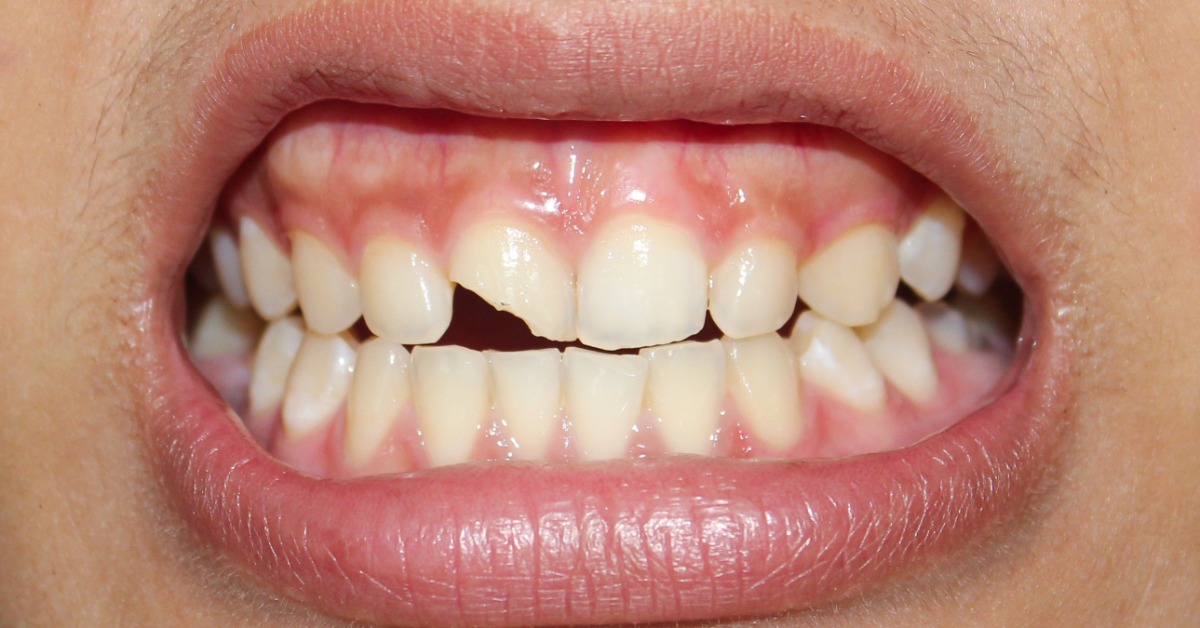
Cracked teeth can affect comfort, appearance, and long-term oral health. Many people do not realize how much daily habits influence the strength of their teeth until a crack develops and causes pain. While some cracks result from accidents, many form slowly because of repeated pressure or unnoticed wear. Understanding precautions for preventing cracked teeth can help you protect your smile and reduce the risk of needing more extensive treatment in the future.
Understand What Causes Teeth To Crack
Teeth withstand significant force every day, but they still have limits. A crack can form when pressure exceeds what a tooth can handle. Biting down on hard objects often creates sudden stress that damages enamel. Ice, hard candy, and unpopped popcorn kernels frequently contribute to cracked teeth.
Grinding and clenching also place excessive force on teeth. Many people perform these actions while sleeping and remain unaware of the habit. Over time, repeated pressure weakens tooth structure and increases the likelihood of a crack. Existing dental work, natural wear, and untreated decay can make teeth more vulnerable as well.
Avoid Using Teeth as Tools
One of the simplest ways to protect teeth involves using them only for eating and speaking. Many people use their teeth to open packages, tear tags, or hold objects when their hands are full. These actions place unusual stress on enamel and can create chips or cracks.
Even a healthy tooth can sustain damage when it encounters force from an activity that does not match its natural function. Keeping small tools nearby for common household tasks reduces the temptation to use teeth in ways that increase risk. This habit may seem minor, but it plays an important role in preserving tooth strength.
Be Careful With Hard Foods
Certain foods require extra caution because they can place concentrated pressure on a small area of a tooth. Hard candies often encourage prolonged biting that increases the chance of damage. Chewing ice creates a similar problem because enamel must absorb force from a very hard surface.
Nuts, popcorn kernels, and other firm foods can also cause issues when bitten unexpectedly. Paying attention while eating helps prevent sudden impacts that lead to cracks. Choosing softer alternatives when possible can reduce unnecessary strain and support long-term oral health.
Address Teeth Grinding Early
Teeth grinding remains one of the most common contributors to cracked teeth. The force generated during grinding often exceeds the pressure used during normal chewing. Because this habit frequently occurs during sleep, damage can progress before symptoms become obvious.
Many people notice morning jaw soreness, headaches, or increased tooth sensitivity before learning they grind their teeth. A dentist can evaluate these signs and recommend solutions that protect tooth structure. Early intervention helps limit wear and lowers the risk of cracks developing over time.
Wear Protection During Physical Activities
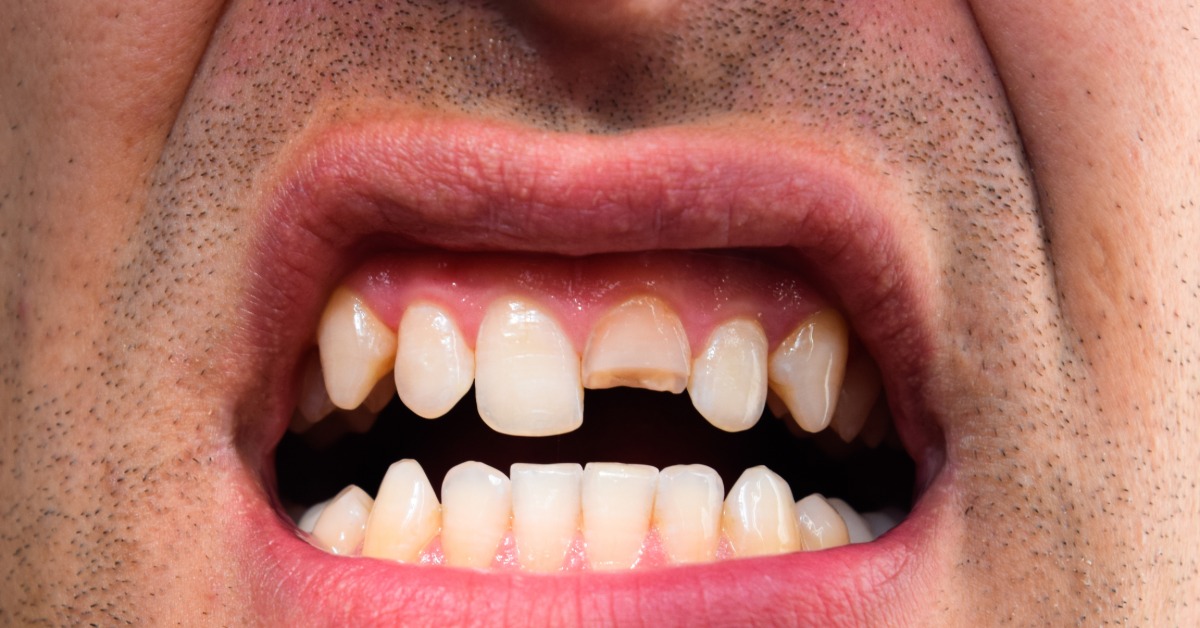
Sports and recreational activities can expose teeth to unexpected impacts. Contact sports present an obvious risk, but accidents can occur during many types of physical activity. A direct blow to the mouth may crack a tooth even when the impact seems minor.
A properly fitted mouthguard cushions force and helps protect teeth from injury. Athletes of all ages benefit from this added protection. Whether participating in organized competition or recreational activities, wearing a mouthguard provides an effective way to reduce the chance of dental trauma.
Keep Up With Regular Dental Visits
Routine dental appointments help identify potential problems before they become serious. Small cracks often develop without causing immediate discomfort. During an examination, a dentist can detect early signs of damage and recommend treatment before the condition worsens.
Regular visits also allow dentists to evaluate restorations, monitor wear patterns, and assess overall oral health. Preventive care supports stronger teeth and reduces the likelihood of unexpected complications. Consistent checkups remain an important part of protecting your smile from future damage.
Treat Cavities Before They Weaken Teeth
Tooth decay does more than create cavities. It weakens the structure of a tooth and reduces its ability to withstand normal chewing forces. As decay progresses, the remaining healthy tooth material becomes less capable of resisting pressure.
Prompt treatment helps preserve tooth strength and prevents further deterioration. Filling a cavity early often requires less extensive treatment than waiting until significant damage occurs. Protecting teeth from decay supports their durability and lowers the risk of cracks.
Manage Sudden Temperature Changes
Extreme temperature changes can place stress on teeth. Drinking a very hot beverage immediately before consuming something extremely cold may contribute to discomfort and sensitivity. While healthy teeth can tolerate normal temperature variations, repeated exposure to dramatic changes may affect vulnerable teeth.
People with existing dental work, enamel wear, or sensitivity should take extra care. Allowing foods and beverages to reach a moderate temperature before consumption can help reduce unnecessary stress. Small adjustments in daily habits often provide meaningful benefits over time.
Pay Attention To Warning Signs
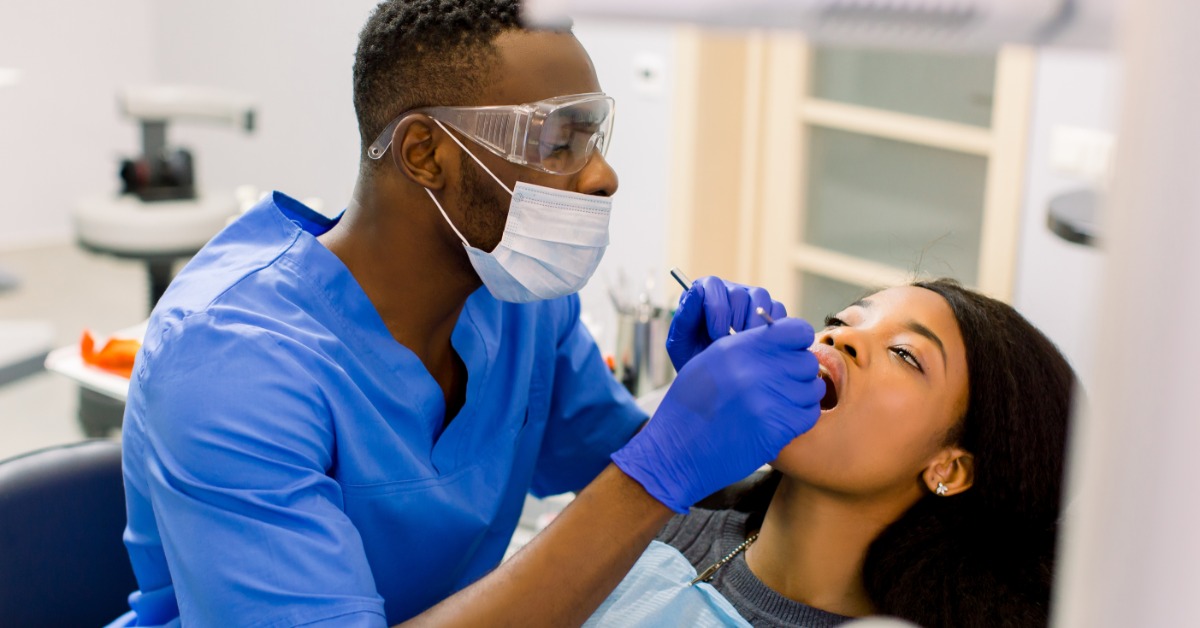
Recognizing symptoms early can prevent a small problem from becoming a larger one. Cracked teeth do not always produce constant pain. Some people notice discomfort only when biting down or releasing pressure after chewing.
Sensitivity to temperature changes may also signal an issue. If pain appears intermittently or seems difficult to identify, scheduling a dental evaluation can help determine the cause. Early diagnosis often improves treatment options and helps preserve more natural tooth structure.
Support Strong Teeth With Good Daily Care
Healthy teeth generally resist damage more effectively than weakened teeth. Brushing and flossing help control plaque and reduce the risk of decay that can compromise tooth strength. Maintaining good oral hygiene also supports healthy gums, which contribute to overall dental stability.
Hydration plays a role as well. Saliva helps protect teeth by washing away food particles and supporting a balanced oral environment. Consistent daily care creates a stronger foundation that helps teeth withstand normal wear and pressure.
Protect Your Smile With Professional Care
Taking preventive steps today can reduce the chances of dealing with a painful cracked tooth tomorrow. From avoiding harmful habits to addressing dental concerns early, these strategies help maintain strong and healthy teeth for years to come. Understanding precautions for preventing cracked teeth empowers patients to make informed decisions that support long-term oral health.
If a crack does occur, Pinnacle Dental Associates offers advanced treatment options, including same-day dental crown services that restore strength and function without requiring multiple visits. Using CEREC technology, our team can design, create, and place a custom crown in a single appointment, helping patients protect their smiles and return to daily life with confidence. Contact us today to set up an appointment with one of our experienced dentists.