

Hormonal changes influence many areas of the body, including the mouth. Many women notice new dental concerns during midlife, even when they continue practicing healthy oral hygiene habits. Understanding how menopause and perimenopause affect your oral health can help you recognize symptoms early and protect your smile through every stage of life.
Changes in estrogen levels can affect the gums, jawbone, saliva production, and soft tissues inside the mouth. Some symptoms feel mild at first, while others can interfere with daily comfort, eating habits, or confidence. When patients understand the connection between hormonal changes and dental health, they can take proactive steps to maintain strong teeth and healthy gums for years to come.
Understanding the Link Between Hormones and Oral Health
Hormones affect tissues throughout the body, including the gums and bones that support the teeth. During perimenopause, hormone levels begin fluctuating before menopause officially starts. These changes can continue for several years and often create shifts in the body that patients do not immediately connect to oral health.
Estrogen plays an important role in maintaining bone density and healthy circulation. When estrogen levels decrease, the mouth may become more vulnerable to inflammation, dryness, and bone loss. Some women experience changes gradually, while others notice sudden discomfort or sensitivity.
Many patients assume oral symptoms happen because of aging alone. In reality, hormonal changes often contribute to problems involving gum health, saliva production, and oral comfort. Regular dental visits become especially important during this stage of life because dentists can identify subtle changes before they become more serious.
Dry Mouth During Menopause and Perimenopause
Dry mouth remains one of the most common oral health concerns associated with menopause. Saliva helps wash away bacteria, neutralize acids, and protect the teeth from decay. When saliva production decreases, the mouth becomes more vulnerable to cavities, gum irritation, and bad breath.
Many women notice persistent dryness throughout the day or wake up with discomfort at night. Some patients struggle with speaking for long periods because their mouths feel sticky or irritated. Others notice difficulty chewing certain foods comfortably.
Dry mouth can also affect taste perception. Foods may taste dull or different than they once did. Spicy or acidic foods sometimes create irritation because the tissues inside the mouth become more sensitive when moisture decreases.
Dentists often recommend drinking water consistently throughout the day and limiting beverages that contribute to dehydration. Patients may also benefit from saliva-supporting products that help maintain moisture levels and improve comfort.
Increased Risk of Gum Disease
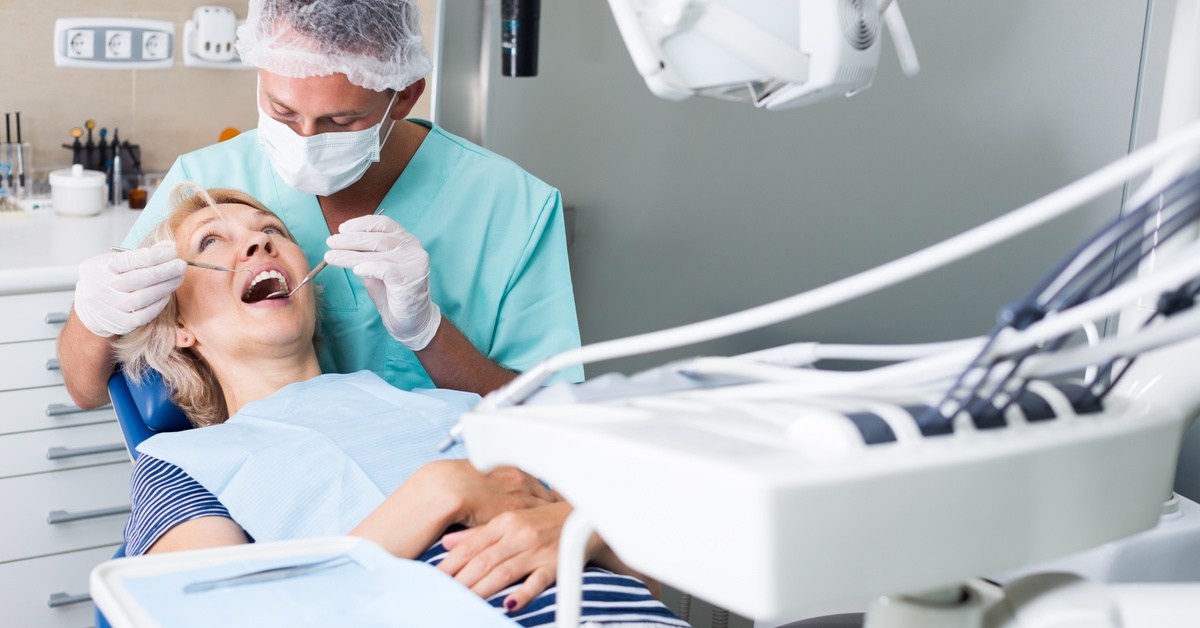
Hormonal changes can make gum tissue more sensitive to plaque and bacteria. As estrogen levels shift, the gums may become more reactive, leading to redness, swelling, or tenderness. Even patients with strong brushing and flossing habits may notice their gums bleeding more easily during menopause or perimenopause.
Inflammation can progress quickly when bacteria accumulate near the gumline. Without treatment, gum disease may damage the tissues and bone that support the teeth. Some women notice gum recession during this stage of life, which can expose tooth roots and increase sensitivity.
Gum disease also connects closely to overall health. Chronic inflammation inside the mouth may affect other parts of the body over time. Because of this connection, preventive dental care becomes even more valuable during menopause and perimenopause.
Professional cleanings help remove hardened plaque that brushing alone cannot eliminate, especially spots that are under the gums. Dentists can also monitor gum measurements and identify signs of early periodontal disease and bone loss before extensive damage occurs. Although it is impossible to completely prevent bone loss, your dentist will be able to make recommendations and complete treatment for you to help slow the rate of bone loss and get your periodontal disease as stabilized as possible.
Bone Density Changes and Tooth Stability
Bone health changes frequently occur during menopause because lower estrogen levels can contribute to bone loss throughout the body. The jawbone may also lose density over time, which can affect tooth stability and long-term oral health.
When the jawbone weakens, teeth may shift slightly or feel less secure. Some patients notice changes in their bite or spacing between teeth. Bone loss may also increase the risk of tooth loss if gum disease develops simultaneously.
Patients who already have osteoporosis may face additional dental concerns because reduced bone density can affect healing and structural support inside the mouth. Dentists often monitor bone health carefully when planning restorative procedures or evaluating long-term treatment options.
Maintaining healthy gums helps support jawbone stability. Routine dental exams allow providers to identify changes early and recommend solutions that preserve oral function and comfort.
Burning Mouth Syndrome and Oral Discomfort
Some women develop a condition known as burning mouth syndrome during menopause. This condition causes a persistent burning sensation that may affect the tongue, lips, roof of the mouth, or entire oral cavity. Symptoms often appear without visible sores or obvious irritation.
Patients sometimes describe the sensation as tingling, scalding, or numbness. The discomfort may worsen throughout the day and interfere with eating or speaking comfortably. In some cases, dry mouth occurs alongside burning mouth syndrome, which can intensify irritation.
Researchers continue studying the exact relationship between hormonal changes and this condition, but many patients experience symptoms during perimenopause or menopause. Stress, anxiety, and changes in nerve sensitivity may also contribute to discomfort.
Dental professionals can help rule out infections, nutritional deficiencies, or other medical causes of oral burning. Identifying the source of symptoms helps patients receive appropriate treatment and support.
Changes in Taste and Sensitivity
Hormonal fluctuations may alter the way foods and beverages taste. Some women notice a metallic taste in their mouths, while others become more sensitive to hot or cold temperatures. These changes can feel frustrating because they affect daily eating experiences.
Tooth sensitivity may increase when gum recession exposes the roots of the teeth. Enamel may also weaken gradually over time, especially when dry mouth contributes to increased acid exposure. Patients often notice discomfort while drinking cold water or eating sweet foods.
Changes in taste and sensitivity sometimes affect nutrition because patients begin avoiding certain foods. Maintaining balanced nutrition remains important during menopause because nutrients support bone health, immune function, and tissue repair.
Dentists can recommend treatments that reduce sensitivity and help protect vulnerable teeth. Addressing symptoms early often improves comfort and prevents additional complications.
Trusted Dental Care in Albany, OR
Understanding how menopause and perimenopause affect your oral health allows you to protect your smile with confidence and act before symptoms worsen. Hormonal changes can increase the risk of dry mouth, gum disease, tooth sensitivity, and bone loss, but consistent dental care helps reduce these concerns and support long-term oral wellness.
Patients at Pinnacle Dental Associates, a trusted dental office in Albany, OR, receive compassionate care in a welcoming environment focused on comfort and long-term health. Our team uses advanced technology to provide comprehensive dental services in one convenient location. Patients trust us for personalized care that helps keep their smiles healthy through every stage of life. Call us or fill out our online form to schedule an appointment.