
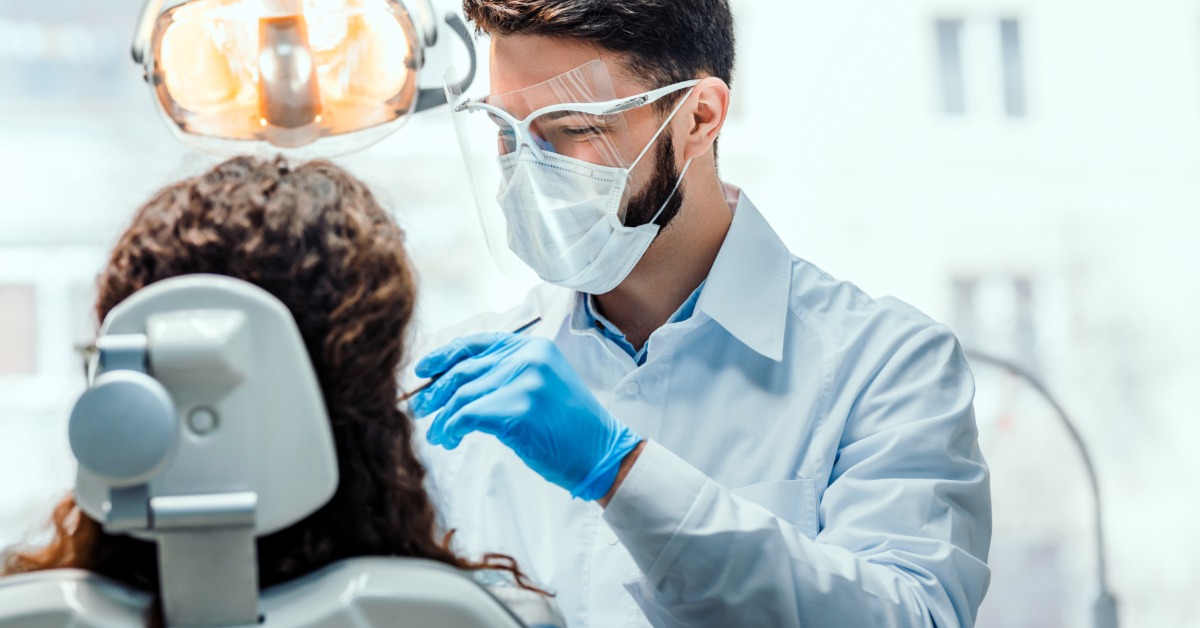
Patients often feel overwhelmed when facing tooth loss, especially when time and appearance matter. Understanding what to know about immediate dentures before getting them helps patients prepare for the process and avoid unnecessary stress. Immediate dentures offer a way to maintain a full smile right after tooth extraction, but they require planning, patience, and proper care. This guide explains how immediate dentures work, what patients can expect, and how to achieve the best possible outcome.
What Are Immediate Dentures and How Do They Work
Immediate dentures are custom-made removable teeth that a dentist inserts immediately after removing natural teeth. Traditional dentures require a healing period before placement, but immediate dentures allow patients to leave the appointment with a full smile already in place. This approach protects appearance and helps maintain daily function.
A dentist takes impressions before removing the natural teeth. A dental lab uses those impressions to create a custom denture that fits the patient’s mouth at that specific time. After extractions, the dentist inserts the denture immediately, which acts as both a tooth replacement and a protective bandage for the healing gums.
Patients must understand that the fit reflects the mouth before healing begins. As the gums and bone change during recovery, the denture will also require adjustments to stay comfortable and secure.
Why Patients Choose Immediate Dentures
Many patients choose immediate dentures because they do not want to go without teeth during the healing period. Maintaining a complete smile supports confidence in both personal and professional settings. Immediate dentures also allow patients to speak and eat more normally right away compared to waiting for traditional dentures.
These dentures also serve a functional role beyond aesthetics. They help control bleeding after extractions and protect sensitive gum tissue. This added benefit supports healing while allowing patients to adapt to wearing dentures earlier in the process.
Some patients appreciate the ability to begin adjusting to dentures immediately. Learning how to speak and chew with dentures takes time, so starting sooner can help patients adapt more quickly.
What To Expect on the Day of Placement
The day of placement involves both tooth extraction and denture insertion. The dentist removes the necessary teeth and then places the immediate denture right away. Patients can expect some pressure as the denture settles into place, but the dentist will check the fit and adjust as needed.
Swelling begins shortly after the procedure, which can affect how the denture feels. The denture may feel tight at first, and moderate discomfort is common. The dental team provides instructions for managing soreness and caring for the denture during the initial healing phase.
Patients usually wear the denture continuously for the first 24 hours, even while sleeping. This step helps control swelling and protects the extraction sites. After the first follow-up visit, the dentist may adjust wearing schedules based on healing progress.

Healing Changes and Their Impact on Fit
Healing plays a major role in the success of immediate dentures. After tooth extraction, the gums and underlying bone begin to shrink and reshape. This natural process can change how the denture fits within weeks.
Patients often notice looseness as swelling decreases and tissues settle. This change does not indicate a problem with the denture itself but reflects normal healing. Regular dental visits allow the dentist to adjust the denture and improve comfort.
Over time, most patients will need a reline or a new denture. A reline reshapes the inner surface of the denture to match the healed gums. This step restores stability and improves function. Understanding this process helps patients set realistic expectations from the beginning.
Eating and Speaking With Immediate Dentures
Eating with immediate dentures requires patience and gradual adjustment. Patients should start with soft foods and take small bites to avoid dislodging the denture. As comfort improves, they can slowly introduce more varied textures.
Speaking may feel different at first. Some words may sound unclear, and patients might notice slight changes in pronunciation. Practicing speech, such as reading aloud, can help retrain the tongue and muscles.
Consistency helps patients adapt faster. Wearing the denture as instructed and practicing daily activities will improve both comfort and confidence over time.
Daily Care and Maintenance
Proper care plays a key role in the success of immediate dentures. Patients should clean their dentures daily to remove food particles and bacteria. Gentle brushing and soaking in a denture solution help maintain hygiene and extend the life of the appliance.
Oral care remains important even without natural teeth. Patients should clean their gums, tongue, and any remaining teeth to support overall oral health. Healthy tissues improve denture comfort and reduce the risk of irritation.
Patients should also handle dentures carefully to avoid damage. Dropping a denture can cause cracks or fractures, which may require repair or replacement.
Common Challenges and How To Manage Them
Immediate dentures come with an adjustment period that can include sore spots, looseness, and changes in bite. These challenges are normal and manageable with professional support.
Sore spots may develop as the denture rubs against healing tissue. A dentist can relieve pressure areas through simple adjustments. Patients should not attempt to modify the denture themselves.
Looseness often occurs as swelling decreases. Denture adhesives may help temporarily, but long-term solutions involve professional adjustments or relining. Regular follow-up appointments ensure that the denture continues to fit properly. The anatomy of some patients is simply not conducive to retaining a denture, such as people with severely resorbed jawbone ridges. For these patients, an implant-supported denture is the only solution to improve retention for a loose denture. Implants are placed in the jawbone after healing is complete after the extractions, and then a new denture is fabricated that snaps on to the implants.
Who Is a Good Candidate for Immediate Dentures
Immediate dentures work well for patients who need multiple extractions and want to maintain their appearance during healing. Patients with healthy gums and adequate bone structure often achieve better results.
A dentist will evaluate each patient’s oral health, medical history, and goals before recommending immediate dentures. Some cases may require alternative treatments, such as implant-supported dentures, depending on individual needs. Clear communication between the patient and dentist ensures that expectations align with the treatment plan.
Long-Term Considerations
Immediate dentures serve as a transitional solution in many cases. As the mouth heals and stabilizes, patients may move to a permanent denture for improved fit and durability.
Long-term success depends on regular dental visits, proper care, and timely adjustments. Dentures do not last forever, and patients should expect to replace them periodically to maintain function and comfort.
Your Next Step Toward a Confident Smile
Understanding what to know about immediate dentures before getting them allows patients to approach treatment with confidence and realistic expectations. Immediate dentures provide a valuable solution for maintaining appearance and function during a major dental transition. With proper care, regular adjustments, and professional guidance, patients can achieve a comfortable and natural-looking result.
Pinnacle Dental Associates provides dentures in Albany, Oregon, using advanced techniques and a patient-focused approach to restore smiles and improve quality of life. Call us to schedule a consultation today!