
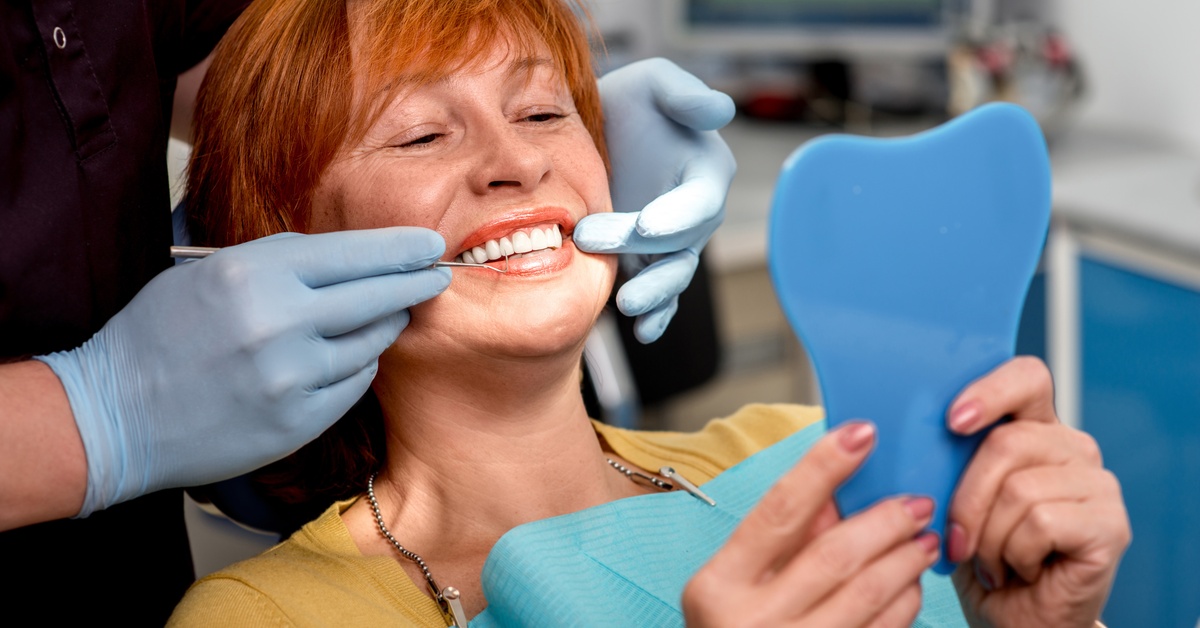
When you look in the mirror, you should love the smile looking back at you. Unfortunately, that confidence can feel out of reach for many people dealing with missing teeth. You might have heard about dental implants as a solution, but maybe you hesitated because of something a friend said or a scary story you read online. Misinformation spreads quickly, and it often keeps people from seeking the treatment they need.
We want to clear the air. Making decisions about your oral health requires facts, not hearsay. Below, we debunk common myths and misconceptions of dental implants so you can feel more confident about your restorative options. Let’s explore the truth behind these replacement teeth and see why they are a gold standard for restoring smiles in Albany, Oregon.
Myth 1: Dental Implants Look Fake and Noticeable
One of the biggest fears patients have is that everyone will know they had dental work done. You might picture the stark white, uniform look of old-fashioned dentures that don’t quite fit the face. This image couldn’t be further from the truth.
Dental technology has advanced. Today, we design the crown—the visible part of the implant—to blend with your natural teeth. We match the color, shape, and size of the restoration to your existing smile. The implant sits in the gum line just like a natural tooth root, providing an authentic profile. Your friends and family won’t know which tooth is the implant.
Myth 2: The Procedure Is Extremely Painful
The thought of oral surgery often triggers anxiety. Many people assume that placing a metal post into the jawbone must be excruciating. In reality, most patients report that the procedure feels far less daunting than they anticipated.
Dentists use powerful local anesthetics to numb the area before starting any work. You shouldn’t feel pain during the placement. Sedation options can help those who feel anxious relax throughout the appointment. Afterward, you might experience some soreness or swelling for a few days, but over-the-counter pain relievers usually manage this effectively.
Myth 3: Dental Implants Are Too Expensive
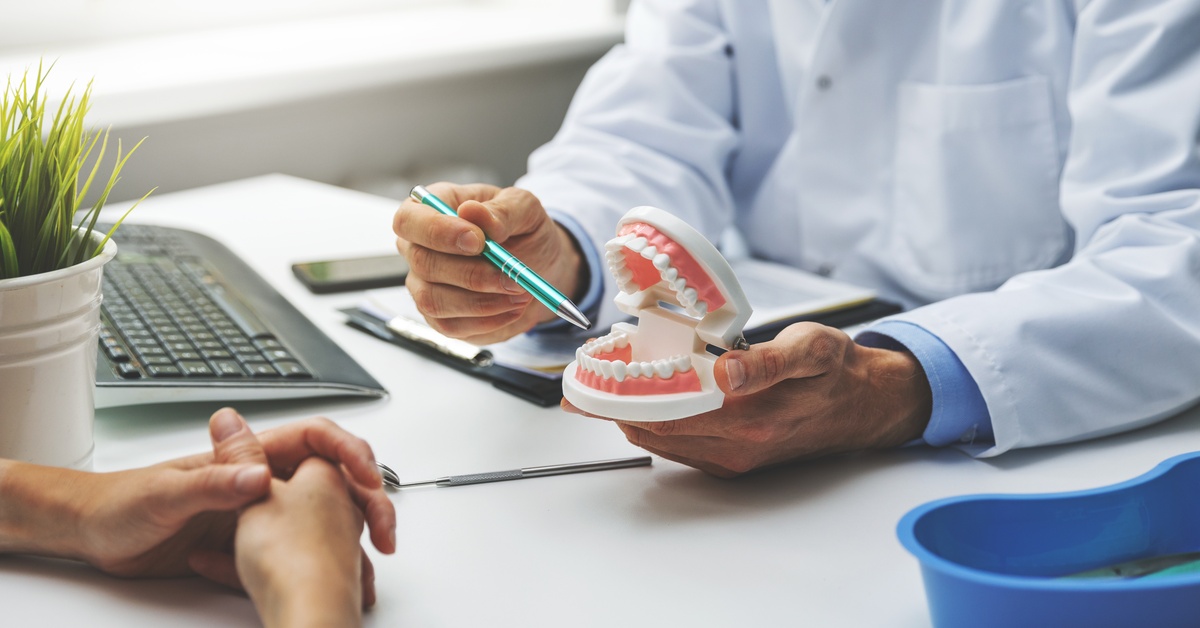
We understand that cost is a major factor in healthcare decisions. On paper, the upfront cost of implants looks higher than bridges or dentures. However, you must look at the long-term value.
Bridges often require altering healthy adjacent teeth and may need replacement every 10 to 15 years. Dentures can wear out, break, or require frequent relining as your jawbone changes shape. Dental implants, on the other hand, offer a permanent solution. They can last a lifetime with proper care.
When you calculate the cost of repeated replacements and maintenance for other methods, implants often emerge as the most cost-effective investment over time. Plus, many dental insurance plans now cover portions of the procedure, and financing options can break the cost into manageable monthly payments.
Myth 4: The Healing Process Takes Too Long
Patience is a virtue, but nobody wants to wait forever for a new smile. Critics often point to the healing period required for implants as a downside. It is true that the process happens in stages. The titanium post needs time to fuse with your jawbone in a process called osseointegration. This ensures a stable foundation for your new tooth.
While this fusion takes six months, you won’t necessarily go without a tooth that whole time. In many cases, dentists can work with a dental lab make a retainer or flipper with a false tooth, so you can smile confidently while you heal. Furthermore, advancements in technology allow for immediate load implants in some situations. This is where the dentist places a temporary tooth on the implant the same day as the surgery, with the final crown placed after the implant fully integrates into the bone. The timeline varies by patient, but the result—a permanent, stable tooth—is worth the wait.
Myth 5: Implants Require Special and Difficult Maintenance
If you envision special soaking solutions, messy adhesives, or complex cleaning tools, think again. Implants essentially function like natural teeth, and you care for them in almost the exact same way.
You need to brush them twice a day and floss daily. Using a water flosser daily is also highly recommended. Regular check-ups and cleanings are crucial so your dentist can monitor the health of your gums and the implant. You don’t need to take them out at night. You don’t need to buy special fizzy tablets. You simply maintain good oral hygiene. Keeping the gum tissue around the implant healthy prevents infection, just as it does for your natural teeth.
Myth 6: Any Dentist Can Perform Implant Surgery
While many general dentists offer dental implant services, the skill level and experience can vary. Placing an implant requires precise knowledge of surgical techniques and jaw anatomy.
You want a provider who utilizes advanced imaging technology to see the density of your bone and the location of nerves before they even begin. This precision minimizes risks and ensures a better outcome. Ask your provider about their training and how many implant procedures they perform regularly. Trusting your smile to a skilled team ensures you get the safe, high-quality results you deserve.
Myth 7: The Body Often Rejects Dental Implants

The term “rejection” sounds scary, reminding us of organ transplants. However, dental implants differ. Dentists make implants from biocompatible titanium. This material has a unique ability to fuse with living bone without the body recognizing it as a foreign object to attack.
True “rejection” is incredibly rare. When an implant fails, it usually stems from other factors, such as infection in the surrounding gum, overloading the implant with too much pressure too soon, or insufficient bone density. Smoking and uncontrolled diabetes can also increase the risk of failure. However, success rates for dental implants consistently sit above 95 percent for healthy patients with skilled dentists.
Myth 8: If You Have Bone Loss, You Can’t Get Implants
It is true that implants need bone for support. When you lose a tooth, the jawbone in that area begins to deteriorate because it no longer receives stimulation from chewing. If you have been missing a tooth for a long time, you might have experienced some bone loss.
However, this doesn’t automatically disqualify you. Modern dentistry offers solutions such as bone grafting. A dentist can add bone grafting material to the area to build up the volume and density of the jaw. Once this graft heals, it creates a solid foundation for the implant. Even patients who have worn dentures for years can often become candidates for implants with these supplemental procedures.
Don’t Let Myths Steer Your Decision
Restoring your smile is a big decision, and you shouldn’t let fear or fiction guide your choices. Now that we’ve demystified the common myths and misconceptions of dental implants, you can approach your treatment plan with confidence.
If you have more questions or want to see if you are a candidate for restorative care, Pinnacle Dental Associates has the expertise to guide you. Ready to explore how dental implants can transform your smile? Schedule a consultation with us today. Our team in Albany, Oregon, is ready to answer your questions and create a personalized plan just for you.